
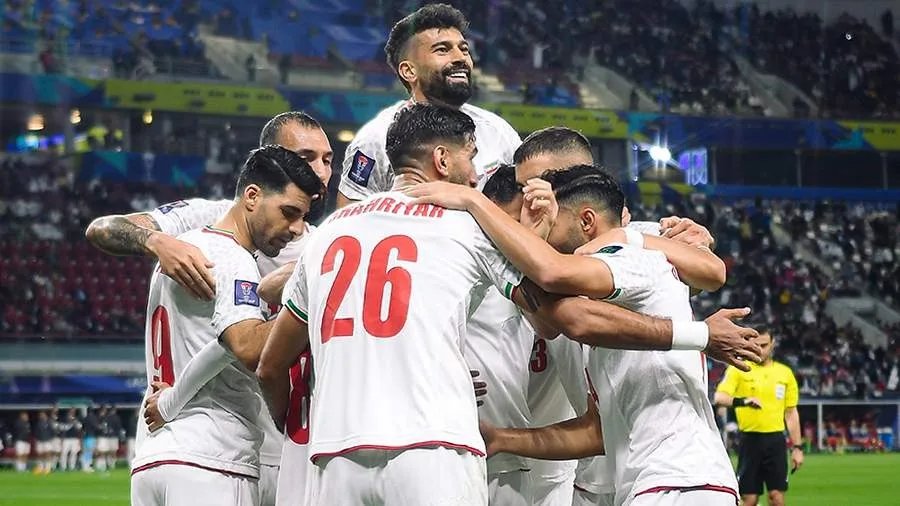
In a firm rejection of an extraordinary last-minute request, FIFA has dismissed Iran’s demand to relocate its 2026 World Cup group stage matches from the United States to Mexico, upholding the tournament’s original schedule amid escalating geopolitical tensions.
World football’s governing body communicated its stance through multiple channels on Tuesday, effectively ending Tehran’s hopes of circumventing a fixture list that places its team directly on American soil.
The dispute erupted after Iranian Football Federation President Mehdi Taj publicly announced negotiations to move the team’s games, citing security concerns following controversial statements by US President Donald Trump.
“When Trump has explicitly stated that he cannot ensure the security of the Iranian national team, we will certainly not travel to America,” Taj said in remarks posted on the Iranian embassy in Mexico’s X account. “We are currently negotiating with FIFA to hold Iran’s matches in the World Cup in Mexico”.
However, internal sources within FIFA confirmed that the proposal was met with an unequivocal refusal. According to officials familiar with the discussions, the governing body emphasized that altering the venue for Iran’s matches would create an unmanageable precedent and disrupt the intricate logistical framework established for the first 48-team tournament.
“FIFA is working, and has been working regularly, with all participating member associations, including the Football Federation of the Islamic Republic of Iran, on the preparations for the FIFA World Cup 2026,” a FIFA source indicated, reinforcing the expectation that “all teams will participate in the matches in accordance with the published schedule”.
The rejection underscores the monumental challenges of reconfiguring a World Cup draw just months before kickoff. Iran is scheduled to face New Zealand and Belgium at Los Angeles’ SoFi Stadium, followed by a clash with Egypt in Seattle. Beyond the group stage, a potential Round of 32 matchup against the United States in Dallas looms, a scenario that adds further political complexity.
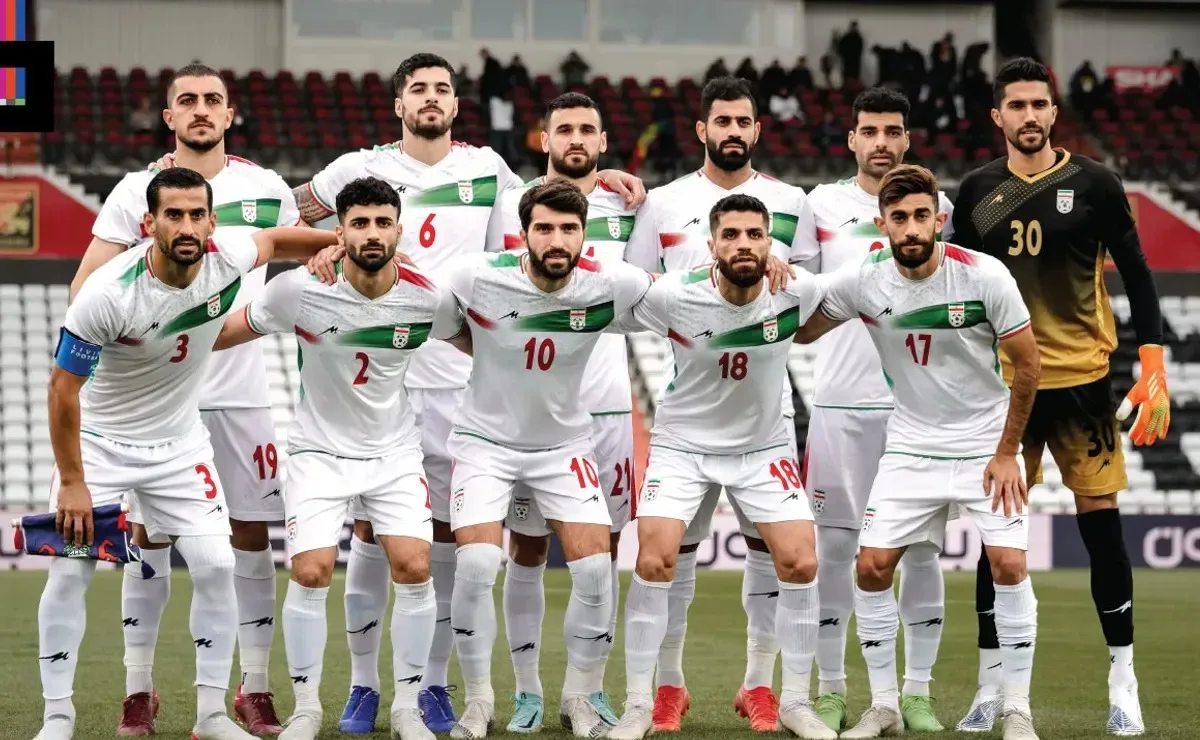
FIFA sources pointed to the insurmountable commercial and operational chaos that a venue change would trigger. With millions of tickets already sold to the public and global broadcast schedules locked in with sponsors, relocating three matches to Mexico is viewed as an impossibility.
“Adjusting Iran’s match venues would not only cause inconvenience for other participating nations but would also trigger a cascade of commercial problems,” a source familiar with FIFA’s internal deliberations told reporters. “The match tickets have been officially sold, and the global broadcast schedules and sponsorship agreements are all finalized”.
The rejection was welcomed by Iran’s scheduled opponents, who have been preparing for the original fixture list. New Zealand Football chief Andrew Pragnell told local media he doubted FIFA would change the fixtures, a sentiment echoed by All Whites coach Darren Bazeley.
“Right now, we’re preparing as if we’re playing Iran,” Bazeley said. “They qualified. We were drawn against them. And until we’re told otherwise, that’s the match”.
The diplomatic fracas traces back to comments made by Trump on his Truth Social platform, where he stated that while Iranian players would be allowed to compete, he felt it was not “appropriate that they be there, for their own life and safety”. This followed a period of intense military hostilities between US-Israeli forces and Iran. Iranian Foreign Ministry spokesman Esmail Baghaei seized on the remarks to question the host nation’s capability.
“When warnings are issued at the highest level about the environment being unsafe for Iranian football players, this indicates that the host country apparently lacks the capacity and ability to provide security for such an important sporting event,” Baghaei argued.
Despite the political rhetoric, FIFA’s position places the onus firmly on the participating teams to adhere to the tournament framework. Analysts suggest the situation represents a high-stakes game of diplomatic chicken, with both the US and Iran attempting to avoid being seen as the party that caused a World Cup withdrawal.
“There is an analysis that the United States and Iran are engaged in a game of ‘chicken’ or ‘marginal gains,’ each trying to force the other to withdraw so that the responsibility for withdrawing falls on the other side,” a football analyst noted, describing FIFA’s uncomfortable position as caught in the middle.
The possibility of Iran withdrawing entirely now looms as a realistic, if drastic, outcome. Should Iran pull out, it would mark the first time since 1950 that a team has withdrawn after the World Cup draw.
In such a scenario, FIFA would hold the sole authority to select a replacement nation, a decision that would carry immense political and sporting weight. A final decision regarding Iran’s participation is not expected before the FIFA Congress in Vancouver on April 30, leaving the football world in a state of uncertain suspense.