
In the immediate aftermath of Tottenham Hotspur’s crushing home defeat to Newcastle United on Tuesday night, Thomas Frank stood before the cameras and insisted his grip on the job was as firm as ever. He had, he revealed, spoken with the club’s hierarchy just 24 hours earlier and been assured his position was safe.
Less than twelve hours later, he was gone.
The sacking, confirmed on Wednesday morning with the club mired in 16th place and just five points above the relegation zone, brought an end to an eight-month tenure defined not merely by poor results, but by a profound and ultimately terminal failure to connect with the very people he needed most: his players and the fanbase.

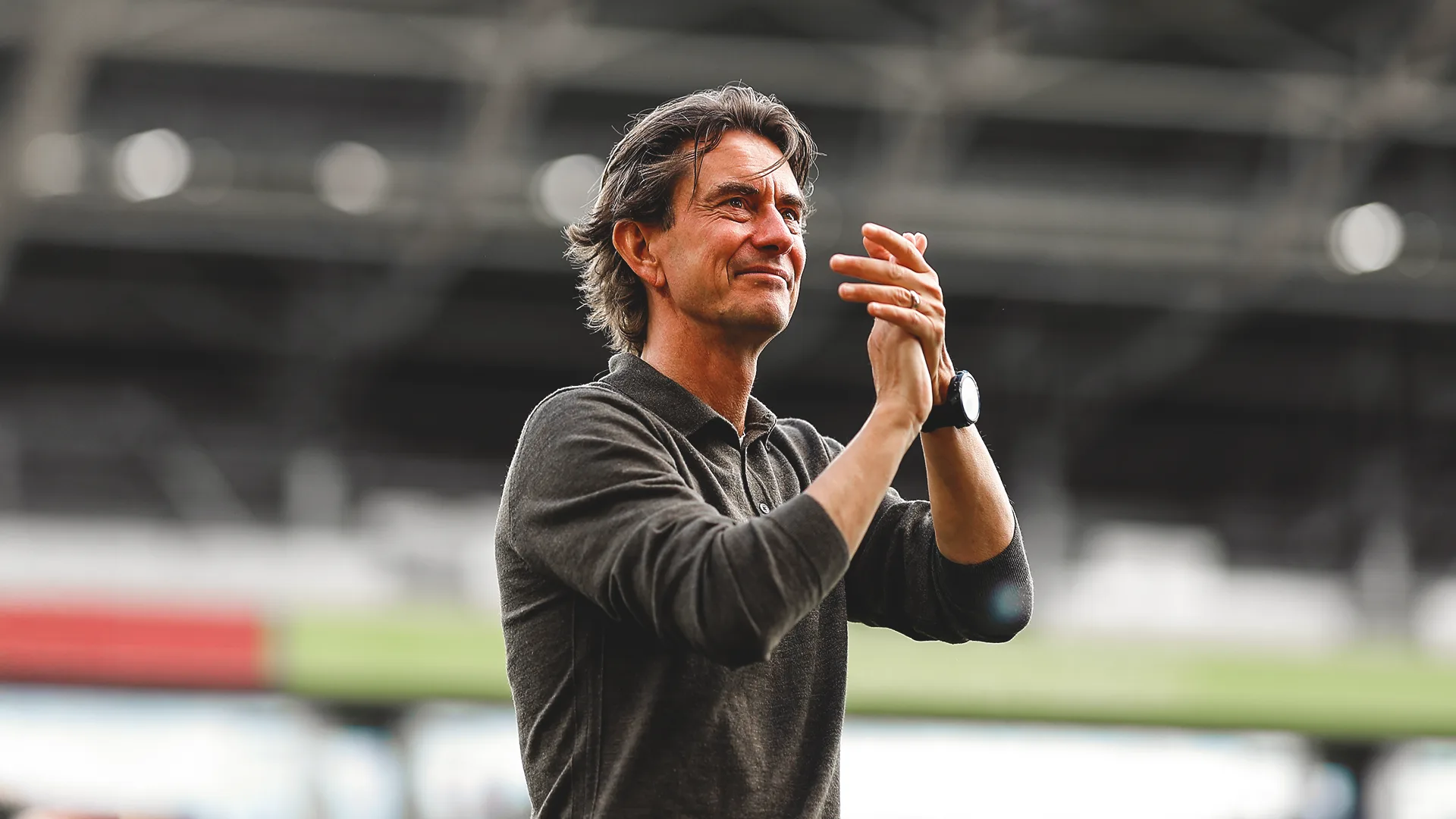
For Frank, the irony was cruel. At Brentford, he was revered not only for his tactical acumen but for the organic, almost paternal bond he shared with supporters. The sight of him leading post-match laps of honour, acknowledging familiar faces in the crowd, was a hallmark of his seven-year reign.
Yet at Tottenham, that same ritual became a symbol of his isolation. Following a lifeless goalless draw at his old stomping ground on New Year’s Day, it was Frank himself who was greeted by a chorus of jeers from the travelling Spurs faithful. The warmth of west London had curdled into contempt in north London.
Behind the scenes, the fractures were widening. Reports have emerged that several senior players grew weary of the manager’s persistent references to local rivals Arsenal. According to sources, Frank’s tendency to ‘constantly go on about the Gunners’, particularly their clinical edge following Spurs’ 4-1 drubbing at the Emirates in November, became a source of deep irritation within the dressing room.
The prevailing sentiment among a cohort of the squad was blunt: “just shut up about Arsenal”.
This disconnect spilled into the absurd in January when Frank was photographed strolling around the Vitality Stadium prior to a defeat by Bournemouth, casually holding a coffee cup emblazoned with the Arsenal crest.
The image sparked derision and memes among players and staff alike, forcing the Dane into a humiliating public defence. “It’s fair to say that not winning every single football match, it would be absolutely stupid of me to take a cup with Arsenal on it,” he insisted. “They’ve been in the changing room for the game before us. I think it’s a little bit sad in football that I need to be asked a question like that”.
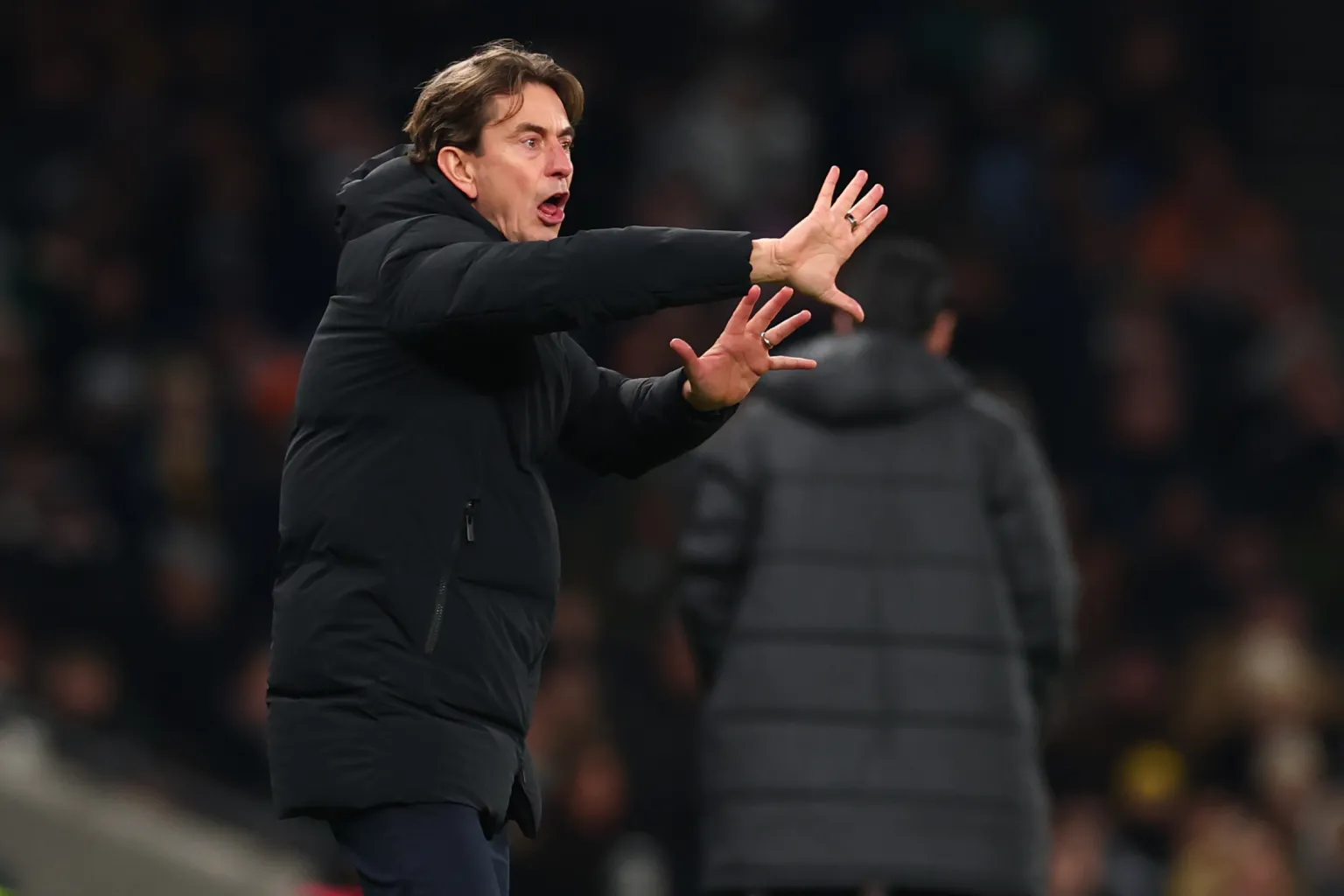
It was, by any measure, a trivial episode, but it betrayed a manager who had lost control of the narrative, and arguably, the room.
More tangible signs of eroded authority manifested on the pitch. After a dispiriting home loss to Chelsea, defenders Djed Spence and Micky van de Ven visibly brushed past Frank, refusing to participate in his customary post-match lap of appreciation.
Though the players later apologised, the imagery was damning; it suggested a squad no longer willing to follow its leader’s cues. Frank later faced awkward questions regarding Spence’s petulant reaction to being substituted during a 3-0 defeat at Nottingham Forest.
If the players were drifting, the supporters had already sailed. Frank’s tactical approach failed to resonate in a stadium of 61,000 where bonds are forged exclusively through victory; he managed just two wins from eleven home league games.
As the winless run extended to eight matches—the club’s worst sequence since 2008—the patience of the fanbase evaporated. During the Newcastle defeat, the Holgate End reverberated not with encouragement, but with a savage, sardonic chant: “You’re getting sacked in the morning”.
Frank’s response to the hostility was to admonish it. Following a defeat to Fulham, he publicly labelled the booing of goalkeeper Guglielmo Vicario as “unacceptable” and insisted it was not the behaviour of “true Spurs supporters”.
It was a high-risk gambit that backfired catastrophically. Without the shield of former chairman Daniel Levy, a permanent lightning rod for fan discontent who departed in September, Frank stood exposed. He had picked a fight with a crowd he could not afford to alienate, and he lacked the winning results required to heal the wound .
“I understand the frustration and the easiest thing is to point at me,” Frank conceded after the Newcastle loss. “That’s part of the job, unfortunately”. He pleaded for unity, urging the board, players, and supporters to “stick together” and keep a “calm head”.
He cited a crippling injury list, at one point numbering eleven or twelve senior absentees, as mitigation for the slide. “It would be absolutely stupid of me to lose my head,” he argued, referencing the impulsive sackings that have plagued other clubs.
Yet the numbers were irrefutable. Since taking ten points from his first five games, Frank had mustered just nineteen from the subsequent twenty-one. His win percentage languished at a paltry 34.21%. As former Spurs striker Les Ferdinand succinctly put it during the final death throes of the reign: “It is desperate times. And desperate times call for desperate measures” .
In the wake of the dismissal, Frank’s predecessor, Ange Postecoglou, offered a somber reflection on the cyclical nature of Tottenham’s turmoil. “You know that he can’t be the only issue at the club,” Postecoglou said. “It’s a curious club… There’s no guarantee whichever manager you bring in—they’ve had world-class managers there and they haven’t had success” .