
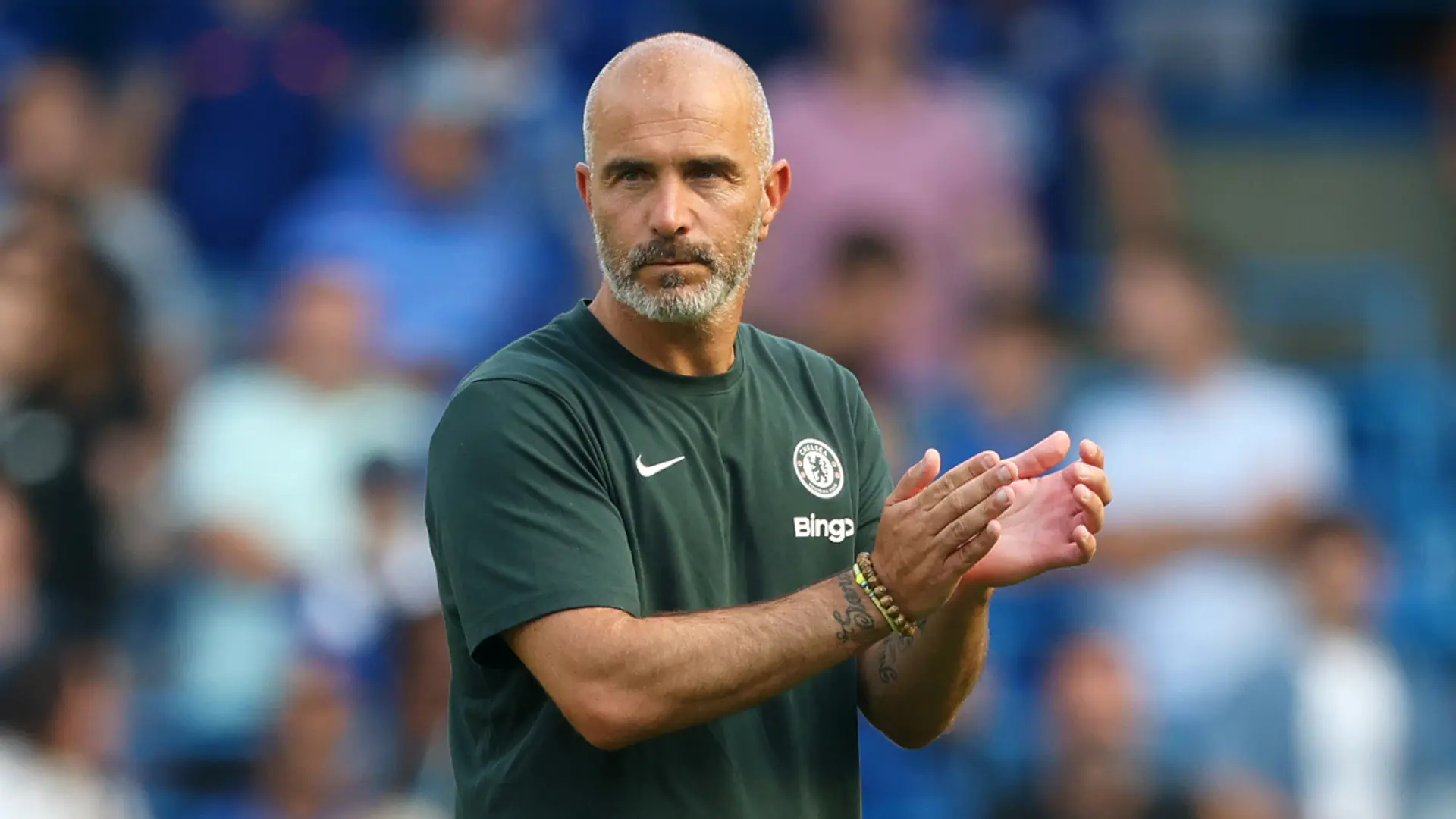
On New Year’s Day 2026, Chelsea Football Club announced a fresh start in the most definitive way possible: by parting company with its head coach, Enzo Maresca. The 99-word club statement, terse even by modern football’s standards, confirmed the end of an 18-month tenure that delivered two trophies but ultimately succumbed to a spectacular and irreparable breakdown in relations between the Italian and the club’s hierarchy.
The decision, reached during crisis talks on Thursday, marks a stunning disintegration for a manager who less than six months ago was being celebrated for securing the Club World Cup and a return to the Champions League.
The official narrative from Stamford Bridge suggested a mutual agreement for the good of the season, stating, “With key objectives still to play for across four competitions including qualification for Champions League football, Enzo and the club believe a change gives the team the best chance of getting the season back on track”.
However, sources close to the club indicate the primary catalyst was not merely a disappointing run of one win in seven Premier League matches, but a profound fracture in the working relationship with co-sporting directors Paul Winstanley and Laurence Stewart, and the club’s ownership. This rift had been festering behind the scenes for months before erupting into public view in spectacular fashion in mid-December.
The point of no return is widely traced to December 13, following a routine 2-0 victory over Everton. In a post-match press conference, Maresca hijacked proceedings to deliver a cryptic but explosive broadside. “The last 48 hours have been the hardest since I joined the club because so many people didn’t support me and the team,” he declared, describing the period after a Champions League defeat to Atalanta as the “worst 48 hours” of his tenure.
When pressed to elaborate on these comments in the days that followed, Maresca refused to clarify, leaving the club’s staff bemused and the hierarchy deeply unimpressed. The comments were widely interpreted as a direct challenge to the sporting directors and ownership, a public airing of grievances that Chelsea’s leadership viewed as a disrespectful and unacceptable power play.
This public dissent was compounded by other factors that frayed the relationship beyond repair. Reports emerged that Maresca had warned Chelsea officials he had been in communication with people at Manchester City regarding a potential future vacancy should Pep Guardiola depart, a move that further irritated the Blues’ bosses.
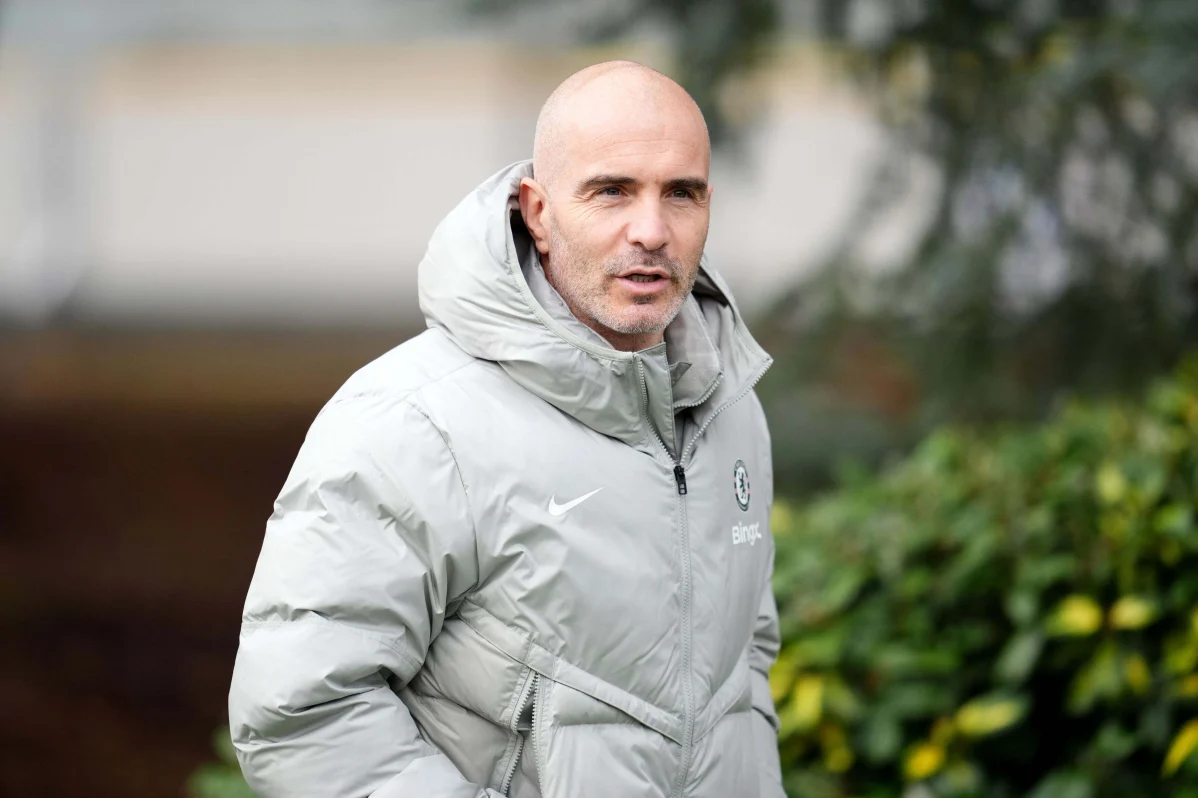
Furthermore, tensions reportedly extended to internal operations, including disagreements with the medical department over the management of injured players. The final, symbolic act came after Maresca’s last match in charge, a dispiriting 2-2 home draw with struggling Bournemouth on December 30.
Booed by sections of the home support after substituting Cole Palmer, Maresca then failed to appear for his post-match media duties, with assistant Willy Caballero citing illness. Club officials, however, did not believe the explanation, viewing the no-show as unprofessional and the culmination of a disrespectful pattern.
Maresca’s departure casts a harsh light on the persistent instability at Chelsea under the Todd Boehly-Clearlake Capital ownership. He becomes the fourth permanent manager to leave in the BlueCo era, following Thomas Tuchel, Graham Potter, and Mauricio Pochettino, despite having been handed a long-term five-year contract just 18 months prior.
His tenure, while brief, was not without success. He delivered the club’s first silverware of the new era, winning the UEFA Conference League and the prestigious FIFA Club World Cup in 2025, while also securing a return to the Champions League.
Sky Sports’ Chief Correspondent Kaveh Solhekol noted the manager’s perspective, saying, “I think he just feels he deserves a little bit more respect for what he has achieved. He feels that he needs a little bit more support”.
The fundamental conflict appears to stem from the modern Chelsea model, where a head coach is expected to work within a system driven by a data-led recruitment team focused on acquiring young talent with high resale potential. Sources suggest Maresca grew increasingly uneasy with this structure and desired more influence over football decisions, a concession the ownership was never likely to grant.
As Sky Sports’ Alan Smith observed, “The head coach at Chelsea maybe has to take direction more than some other managers in the Premier League… Chelsea as a club seem to want to recruit more younger players that they can sell on at a profit, but that doesn’t always win you football matches”.
Attention now turns to an immediate and daunting future. Assistant coach Willy Caballero is expected to take temporary charge for Sunday’s formidable trip to face Manchester City, a fixture that underscores the brutal timing of the change.
The club aims to appoint a permanent successor swiftly, potentially in time for next Wednesday’s derby at Fulham. The early and overwhelming favourite is Liam Rosenior, the highly-regarded young manager currently in charge of Chelsea’s sister club Strasbourg, who has impressed key figures by guiding the French side to seventh in Ligue 1.
For Chelsea, the immediate challenge is stabilizing a season that still holds promise but is teetering on the brink. The squad remains in fifth place, within reach of the top four, and has commitments in the Champions League, FA Cup, and Carabao Cup semifinals. However, the atmosphere around Stamford Bridge is one of familiar turmoil.