
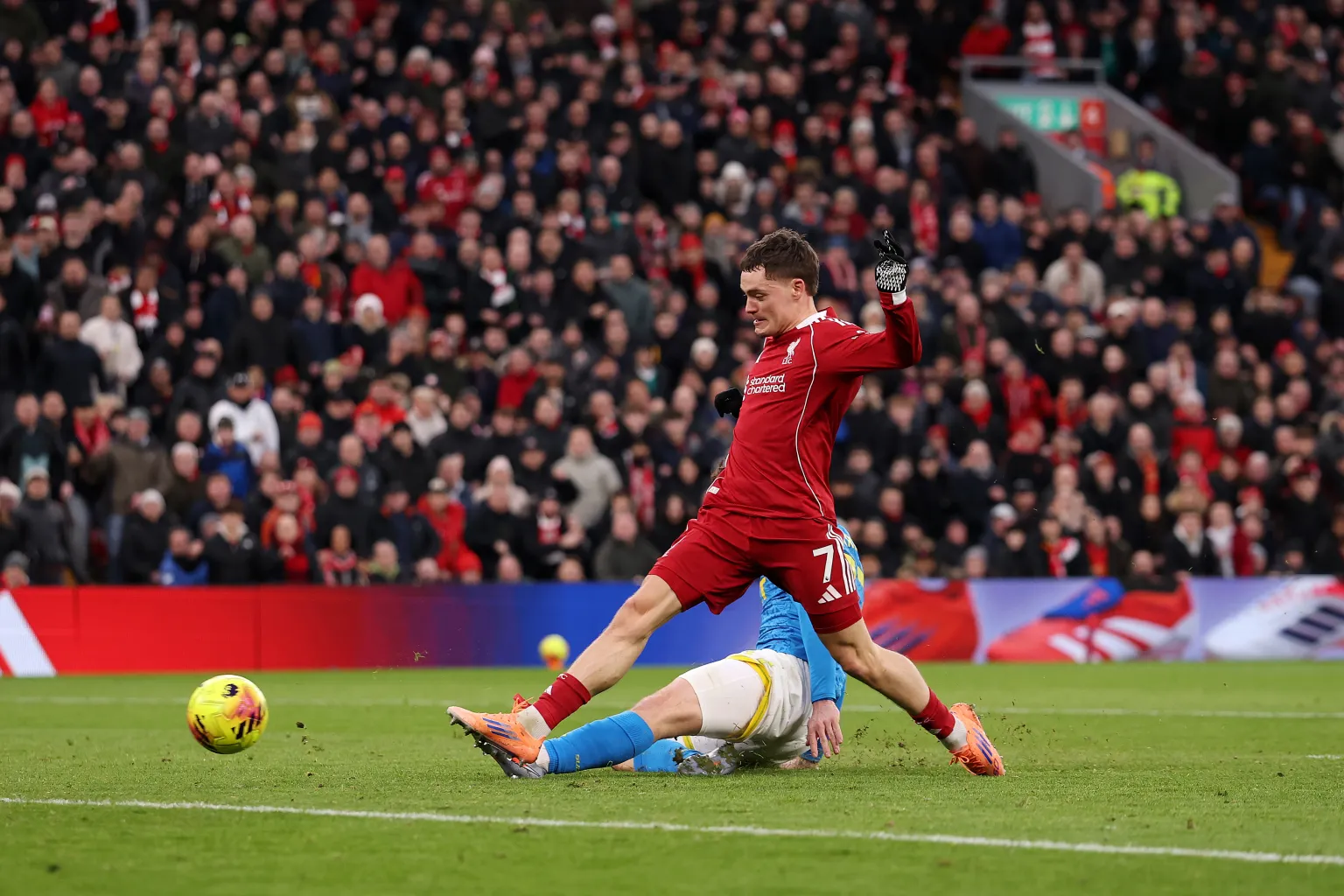
In a season where patience has been tested and adaptation scrutinized, Florian Wirtz finally delivered the moment Liverpool supporters and critics alike have awaited. On a poignant afternoon at Anfield, the German playmaker scored his first goal for the club, a decisive strike in a nervy 2-1 victory over a resilient Wolverhampton Wanderers side.
The goal, arriving in his 23rd appearance since a monumental summer transfer, unleashed not just a roar of celebration but a collective sigh of relief that echoed manager Arne Slot’s own sentiments about his prized midfielder’s long-anticipated breakthrough.
The match unfolded against an emotional backdrop, as Liverpool and Wolves united in tribute to the late Diogo Jota, a former hero for both clubs. His two sons, wearing their father’s retired number 20, led the teams out as mascots, setting a tone of remembrance that briefly transcended the competition.
On the pitch, however, the narrative was one of struggle and eventual release for Liverpool’s record signing. For over forty minutes, Liverpool labored to break down a Wolves team anchored at the bottom of the table, with Anfield growing increasingly restless.
The deadlock was broken not by a moment of individual brilliance but through persistence, as Ryan Gravenberch finished from close range after a sharp team move. The real story, however, began just eighty-nine seconds later.
A quick regain of possession led to summer signing Hugo Ekitike spinning away from his marker and sliding a perfectly weighted pass through the heart of the Wolves defense. Wirtz, timing his run, surged forward and expertly poked the ball past the advancing goalkeeper José Sá.
The eruption from the stands was matched by the reaction on the field, as every outfield Liverpool player swarmed the 22-year-old in a cathartic celebration. It was a visual testament to the internal support for a teammate who had faced external scrutiny.
Wirtz himself acknowledged the weight of the moment. “It was very nice the feeling on the pitch with the fans around. I was very happy and I still am,” he said after the match. “I was confident that I would score one day. I wanted to start earlier scoring and assisting but it was like this and I have to accept it. I just know that it will come and I try to keep going like that”.
This mix of relief and quiet confidence captured the essence of his journey since arriving from Bayer Leverkusen for a fee reported to be in excess of £100 million.
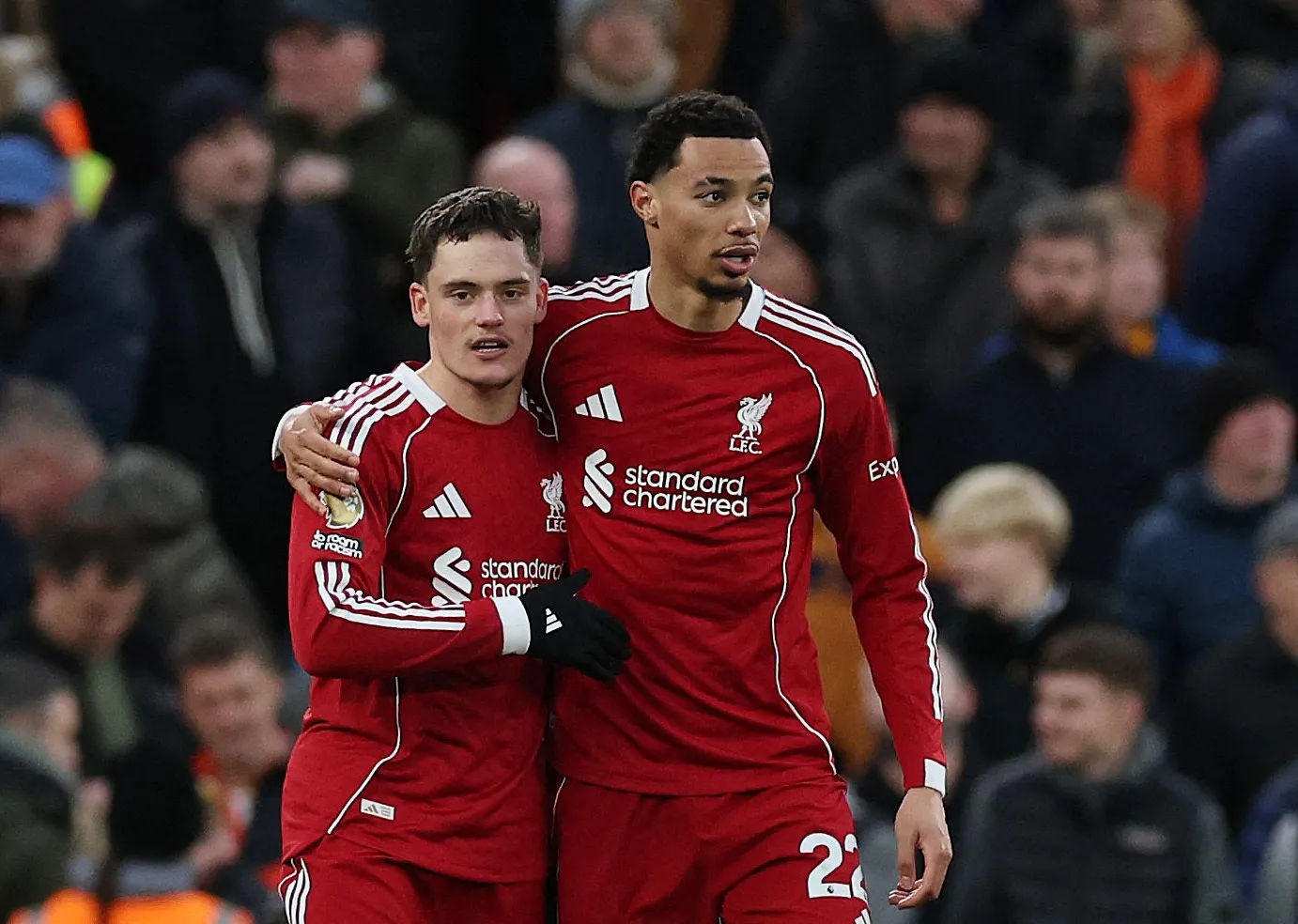
Manager Arne Slot, who has steadfastly supported Wirtz throughout his adaptation period, was effusive in his praise and understanding. “I am quite sure it was a relief for him,” Slot stated. “I could see with his reaction when he scored the goal and it was the same with his teammates, they were really happy for him”.
Slot went beyond just acknowledging the goal, highlighting the broader quality of Wirtz’s performance, which he described as “special.” He pointed out the evolving nature of Wirtz’s contributions, suggesting that the football world’s focus on goals and assists can obscure a player’s overall impact. This was evident against Wolves, where Wirtz was the game’s most creative force.
Early on, he had crafted a stunning pass from the halfway line that took four defenders out of the play, only for Ekitike’s resulting shot to strike the post, a moment of genius that foreshadowed his later goal. His ability to glide past opponents was on full display, completing seven of nine dribbles, a tally among the season’s highest in the Premier League.
The goal represents more than just a statistical milestone; it is a potential turning point in Wirtz’s physical and psychological integration into English football. Both Slot and captain Virgil van Dijk have publicly discussed the specific physical development program Wirtz has undertaken to cope with the Premier League’s intensity.
Van Dijk noted the visible progress, stating, “He’s getting more used to the intensity and the way we play. He’s very important on the ball and obviously there’s no debate about his qualities”. However, the captain also pointed to the remaining work, observing that Wirtz appeared fatigued after roughly an hour—a clear indicator that the process of becoming a “machine,” as Wirtz himself once described Liverpool’s players, is ongoing.
Wirtz is acutely aware of this challenge. “I know it’s the hardest league in the world and I just have to get used to the physicality and the players around me on the pitch in the midfield,” he conceded. “Every game I feel a bit better and I want to continue feeling like that”.
This victory, however, was not a straightforward procession.
Liverpool’s familiar vulnerabilities, particularly from set-pieces, resurfaced early in the second half when Santiago Bueno capitalized on a rebound to bring Wolves back into the game. The visitors, despite their historically poor league position, dominated large stretches of the second half, forcing Liverpool into a tense, battling rearguard action to secure the three points.
This dip in performance underscored the inconsistencies that have plagued Liverpool’s season, even as they secured a fourth consecutive win in all competitions. Slot acknowledged the team’s failure to control the game after halftime, bluntly stating, “if you go 2-0 up at half-time you are expecting a different second half”.
For Florian Wirtz, the journey to this goal has been a narrative of immense expectation. When he arrived at Liverpool, he spoke not of personal glory but of collective ambition. “I’m not coming [to] have fun here, I want also to achieve something and give the fans what they deserve,” he declared upon signing, emphasizing his desire to win the Premier League and advance in the Champions League.