
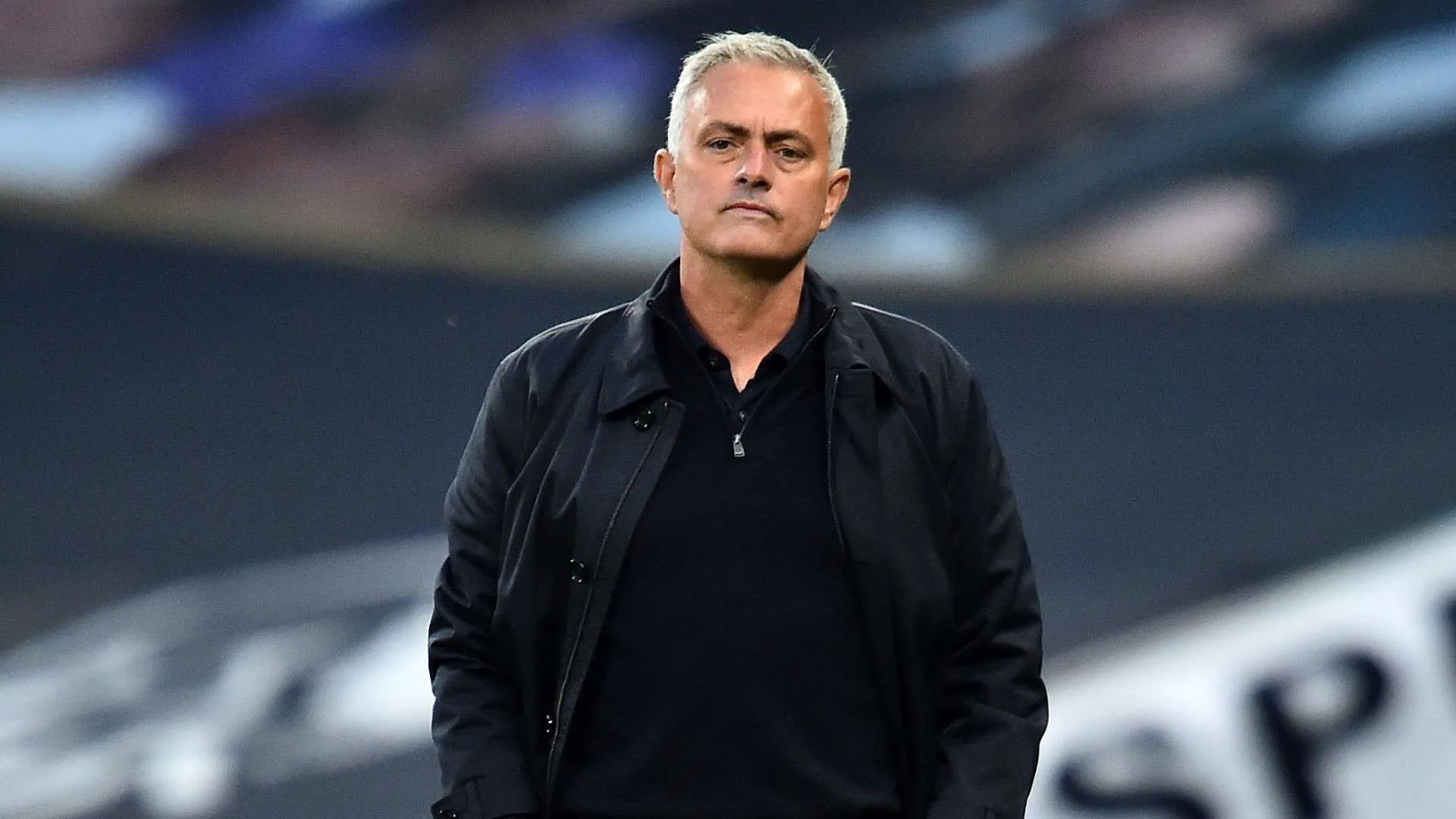
Benfica coach José Mourinho has reacted with measured concern following the Danish court’s two‑week suspended sentence handed to Norwegian international Andreas Schjelderup for sharing an illegal video.
Speaking at a recent press conference, Mourinho said the young forward must learn from his mistake and “be less naïve” in his future decisions.
Mourinho acknowledged that Schjelderup “made a mistake, went to court, and was convicted” but emphasised that the conviction does not bar him from continuing his football career.
“It is obviously not a conviction that prevents him from carrying out his professional activity,” he said, noting that Schjelderup accepted responsibility for his actions and, in Mourinho’s view, this is an important step in his personal development.
However, Mourinho did not shy away from the gravity of the situation. “He has to continue with his life, being less naïve than he was in the past. And learning from a negative experience, which I think leaves a mark. Honestly, I think it marks and will always mark him,” he stated, adding that the lesson will stay with him.
More than footballing talent, “more important than growing as a football player, more important is growing as a person,” Mourinho insisted.

The case stems from an incident two years ago, when a 19‑year‑old Schjelderup forwarded a 27‑second video via Snapchat, later realising that it featured underage content.
He later deleted it and expressed remorse, telling the court he “quickly realised that it was illegal and rapidly deleted the video.”
In a statement on Instagram earlier this month, Schjelderup took “full responsibility” for his actions, admitting it was a “stupid mistake” and apologising to those affected as well as to his family, club, country, and fans.
While the prosecutor had sought an unconditional jail term, the court settled on 14 days’ imprisonment, suspended over a 12‑month probationary period.
Mourinho’s comments signal a balancing act: supporting his player’s career and personal growth while not downplaying the seriousness of the offence.
He expressed hope that Schjelderup will emerge from this experience “more positive,” using it as a turning point rather than a defining downfall.