
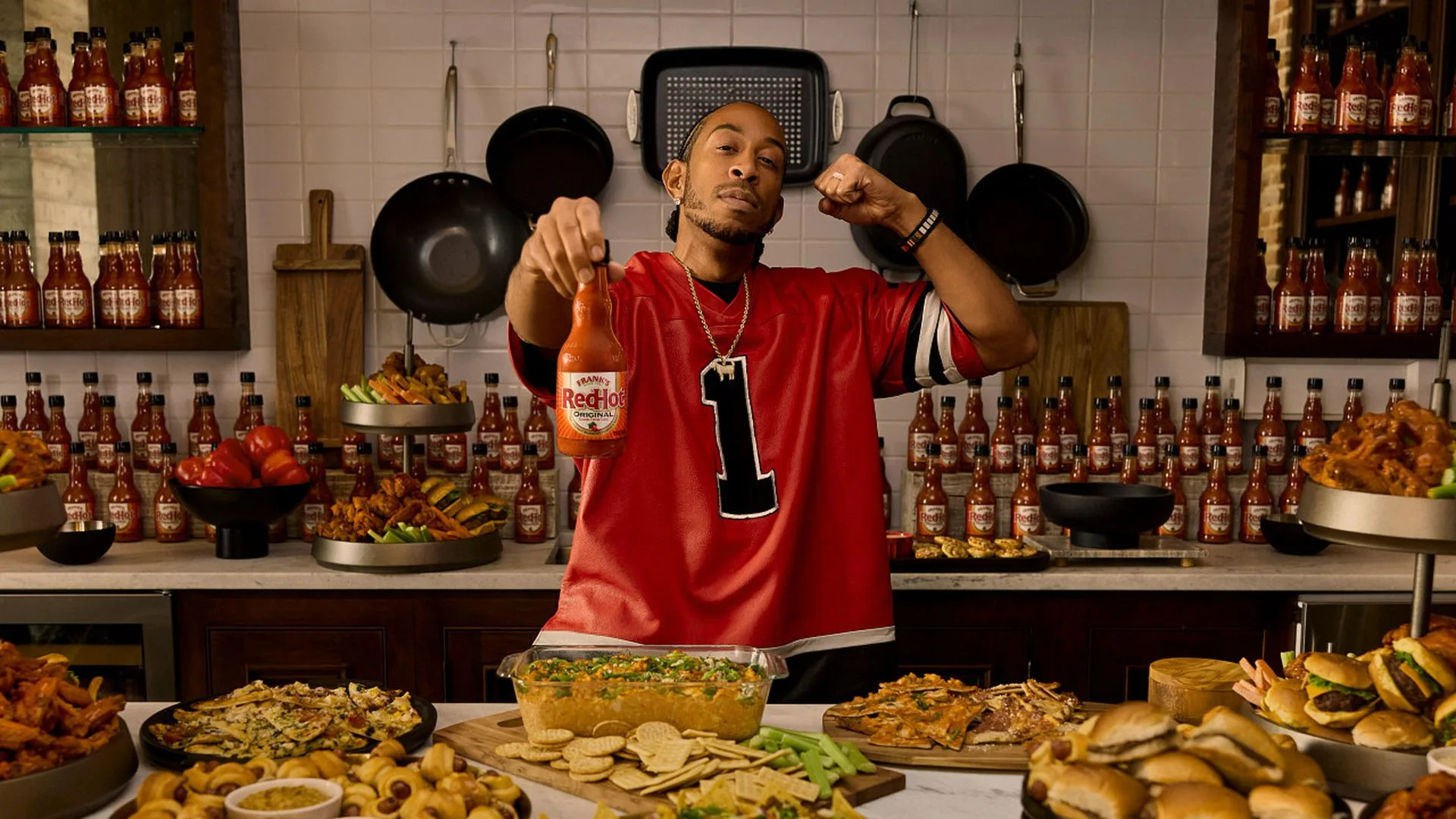
The Super Bowl transcends sports, evolving into a cultural touchstone where the advertisements are as eagerly anticipated as the game itself.
For marketers, this spectacle represents the ultimate high-stakes opportunity, with a 30-second commercial now commanding an unprecedented $8 million for airtime alone.
This figure, a record for Super Bowl LX, underscores the immense value brands place on reaching the game’s colossal, captive audience.
The journey to this financial apex is a story of evolving strategies, shifting cultural currents, and the relentless pursuit of attention in advertising’s most competitive arena.
The soaring price of a national spotlight
The economics of Super Bowl advertising are a testament to the event’s unique status in American media. In 2026, NBCUniversal set the benchmark, selling commercial slots for an average of $8 million per 30 seconds, with a select “handful” of premium placements exceeding $10 million.
This represents a dramatic escalation from the modest $37,500 price tag of the inaugural game in 1967. The cost has accelerated sharply in recent decades, breaking the $1 million barrier in 1995, reaching $4.5 million by 2015, and now achieving its latest peak.
Several converging factors justify this premium. Firstly, the viewership is unmatched. Super Bowl LIX in 2025 drew an average of 127.7 million viewers across all platforms, reinforcing the game’s position as the most-watched non-news broadcast in U.S. history.
As Mark Gross, who worked on classic Anheuser-Busch campaigns, notes, advertisers pay for more than mere impressions; they invest in the potential for “cultural orchestration”.
The Super Bowl offers a rare moment of shared national experience in a fragmented media landscape, a platform where a single ad can propel a brand from obscurity to household name overnight.
Beyond airtime: The hidden costs of a Super Bowl spot
While the network media buy captures headlines, it is merely the entry fee. The total investment for a brand can run two to three times the airtime cost, with a full campaign ranging from $12 million on the low end to over $20 million for elaborate productions.
A significant portion of this budget is allocated to celebrity talent. Top-tier A-list actors have historically commanded eight-figure paydays for Super Bowl spots, though the market is adjusting.
“The sweet spot now for A+ talent typically sits within that $3-to-5-million-dollar range,” says Tim Curtis, a senior partner at WME.
To maximize their budgets, brands increasingly favor ensemble casts, blending iconic actors with contemporary influencers and athletes to engage multiple demographics at a lower cost per star.
Production values are also blockbuster-caliber. Brands frequently enlist award-winning Hollywood directors like Yorgos Lanthimos, Taika Waititi, and Joseph Kosinski to helm their 30-second films.
Furthermore, the rise of Artificial Intelligence is introducing new cost structures and creative possibilities.
For Super Bowl 60, AI is not just a subject of ads but a production tool, used for everything from concept testing and narrative optimization to creating deepfakes and even generating entire commercial sequences.
Svedka Vodka’s debut spot, for instance, is described as a “collaboration between man and machine” powered by AI.

The shifting strategy: From zone flooding to precision strikes
The stratospheric rise in costs has fundamentally reshaped how brands approach the Big Game. The historical playbook, exemplified by Anheuser-Busch’s decade of dominance from 1999 to 2008, involved “flooding the zone.”
In 2003, the beer giant ran 12 distinct ads during the broadcast, accounting for 21% of all commercials and claiming half of the top ten spots in the USA TODAY Ad Meter rankings. At $2.2 million per spot then, such a blitz was a substantial but manageable investment.
Replicating that strategy today at $8 million per ad would require a $100 million media budget, a prohibitive sum. Consequently, the modern paradigm has shifted to the “one perfect ad” strategy.
The data reflects this change: in 2003, 34 brands advertised during the game, while in 2025, that number swelled to 56 different brands, 96% of which ran only a single commercial. The pressure on that one spot is immense, requiring it to carry the entire weight of the brand’s Super Bowl ambition.
As Mark Gross analogizes, “It’s like the game of golf. The harder you swing, the worse the swing”.
Measuring the return on a multi-million dollar investment
With such staggering upfront costs, the critical question is return on investment (ROI). Data indicates that, for many, the gamble pays off.
The ROI for Super Bowl advertising has shown strong efficiency, increasing from $2.70 in 2020 to $5.20 in 2023, meaning brands saw over five dollars in value for every dollar spent. The benefits are multifaceted, extending far beyond immediate sales spikes.
Successful Super Bowl ads generate monumental earned media and digital engagement. A top-performing spot can drive a 300-1000% spike in website traffic during the game and increase branded search queries by 400-800%.
Furthermore, the ads live on through social media shares and news coverage, amplifying their reach for days and weeks. This extended lifecycle is now a formal part of campaign strategy, with brands treating the game as a “mini-plan” that includes pre-game teaser campaigns and post-game social remixing to amortize the massive investment over time.
Zachariah Reitano, CEO of Ro, captures the unique value: “In one night, you can move from a brand most people have never heard of to one your mom is texting you about”.
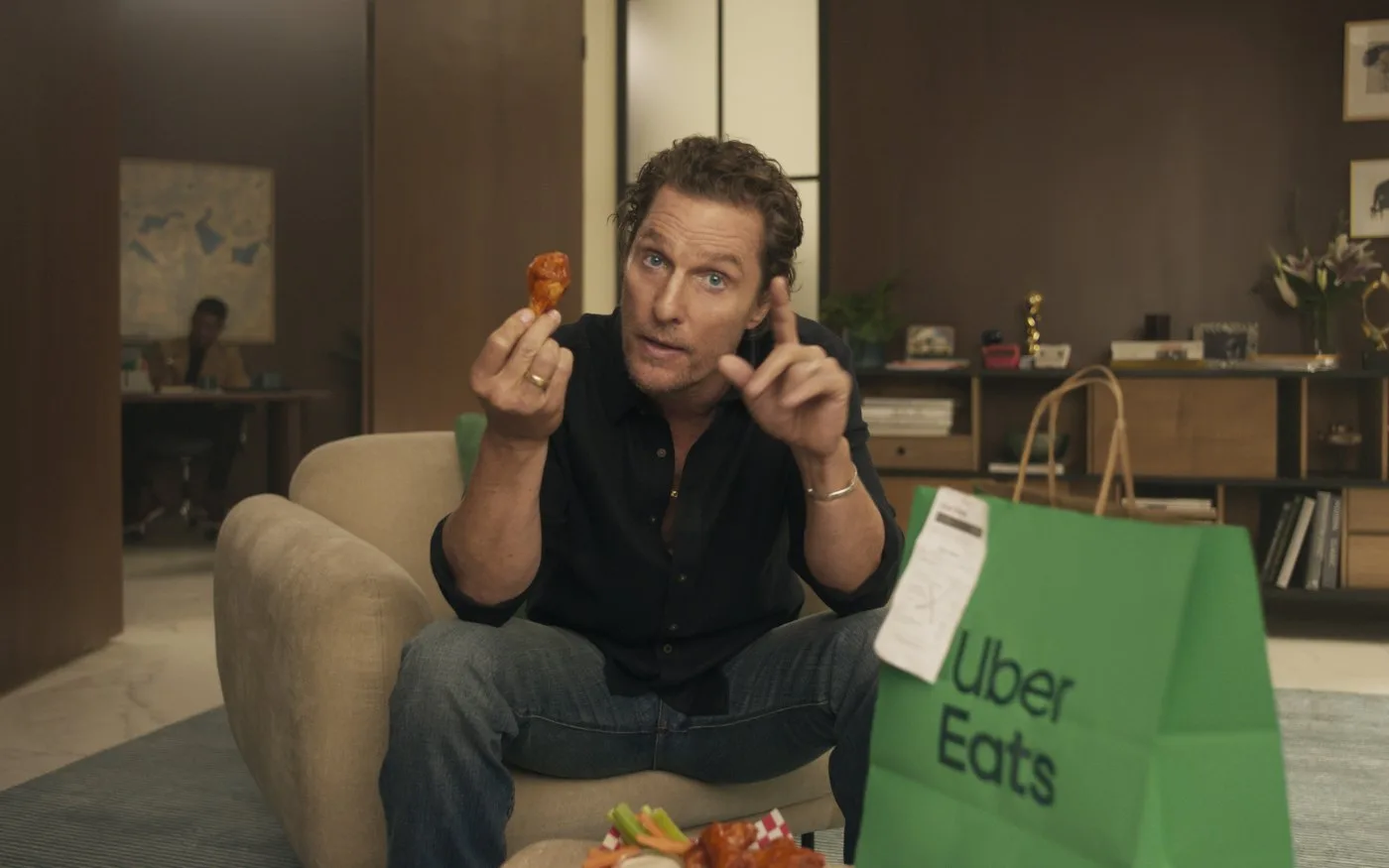
The future of the big game ad
As the 2026 game approaches, several key trends are shaping the future of Super Bowl advertising. The diversification of advertisers continues, with legacy beer brands now competing with, and often losing to, tech companies, fintech services, pet food startups, and pharmaceutical firms.
Humor remains the dominant tone, featured in about 70% of ads, as brands seek to cut through the noise with laughter.
Perhaps the most significant evolution is technological. Streaming viewership is poised to match or even surpass traditional broadcast for the first time, offering advertisers enhanced targeting, interactive formats, and real-time performance data.
Simultaneously, AI’s role is expanding from a behind-the-scenes production aid to a central creative theme and competitive battleground, as evidenced by the public feud between AI giants OpenAI and Anthropic over their respective Super Bowl campaigns.
The enduring truth, however, is that the Super Bowl’s power as a marketing platform remains unrivaled. As UTA co-head of talent Chris Hart summarizes, “You can’t attract that many eyeballs in any other platform”.
For brands willing to make the multi-million dollar wager, the Super Bowl offers a singular opportunity to launch into the cultural stratosphere, proving that even at $8 million for 30 seconds, the world’s biggest advertising stage can still be worth the price of admission.