
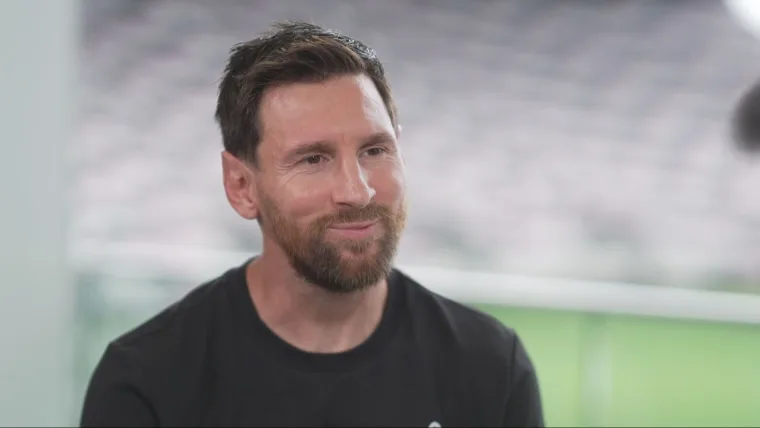
In an interview revealing the private world behind one of sport’s most public lives, global football icon Lionel Messi has stated that he does not use artificial intelligence tools like ChatGPT, citing a personal preference for simplicity and routine.
The candid discussion, held with Argentine streaming channel Luzu TV, offered a rare glimpse into the mindset of the athlete often celebrated as the greatest of all time (GOAT), contrasting his analog daily life with the increasingly digital landscape of modern celebrity and sport.
“I don’t use ChatGPT,” Messi stated plainly. “In fact, I don’t use AI; not because I’m against it, I just haven’t got into it or figured it out”. He noted that his wife, Antonela Roccuzzo, is far more engaged with the technology, using it regularly for everyday queries about recipes and food.
This admission places Messi in a different camp from some contemporaries in the sporting world; for instance, his longtime rival Cristiano Ronaldo is a noted investor in the AI company Perplexity. The timing of Messi’s comments is notable, coming amid a period of growing public skepticism toward AI’s societal impact and fears over job displacement and misinformation.
Beyond technology, Messi offered an introspective look at the personal habits that define his life off the pitch. He described himself with surprising bluntness, saying, “I’m weirder than sh*t. I really like being alone, I enjoy being alone”.
He explained that the constant energy and noise from his three children at home can become overwhelming, making moments of solitary silence essential for him. These moments are simple—lying down, watching television, or observing a match in quiet. This need for structure extends to his entire day. “I’m very structured,” Messi explained.
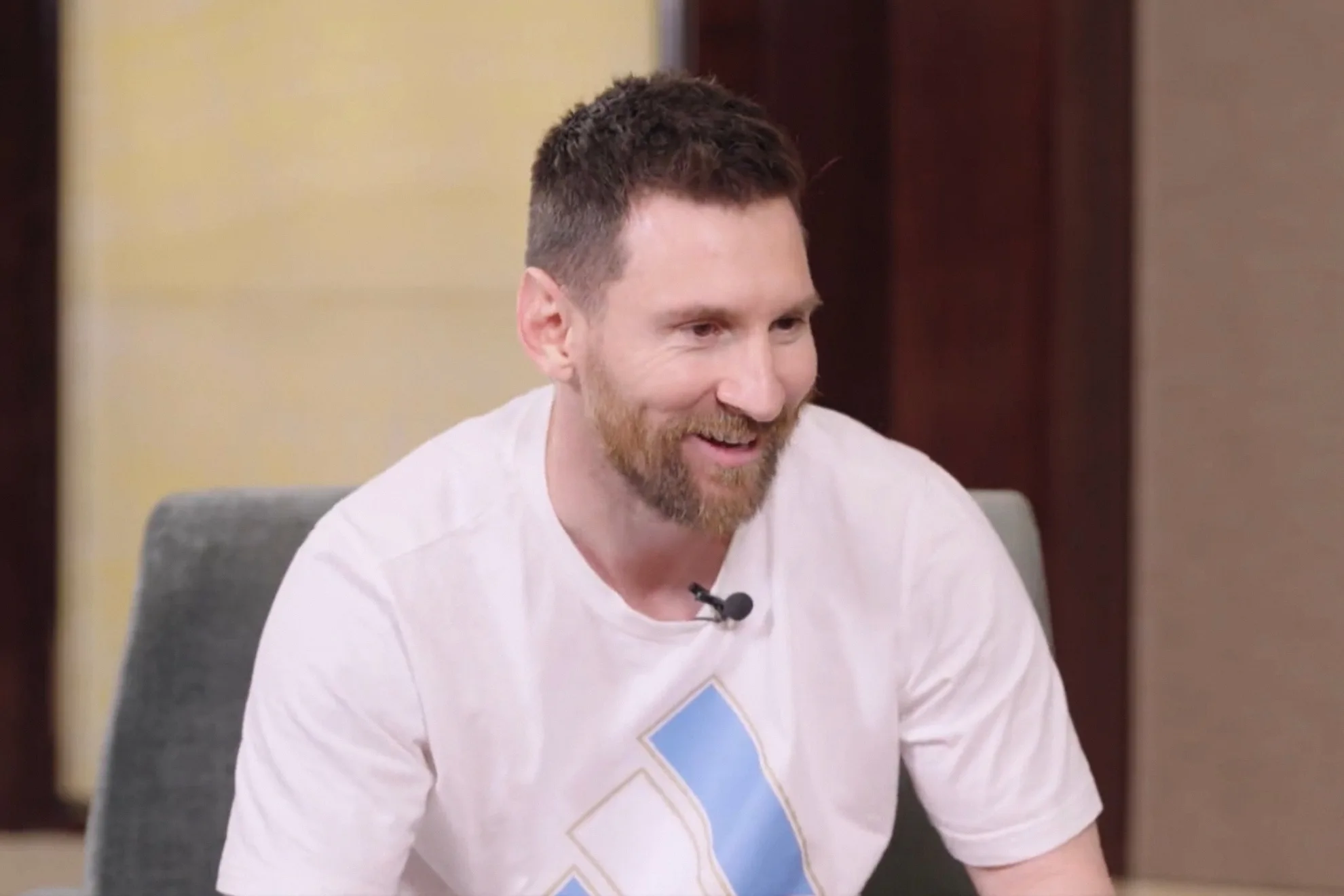
“If I have my day organised in a certain way and something happens in the middle that changes everything, it really affects me”. He processes these disruptions internally rather than discussing them, a trait that underscores his private nature.
His relationship with the public digital sphere is similarly guarded. Messi expressed frustration with social media, where he says narratives about his life are often fabricated. “There are so many things that are said that have nothing to do with reality,” he said. “People talk, they say things, and you can’t go around denying everything”.
He chooses to ignore most speculation unless it is seriously harmful, preferring that public discussion focus on his football. This stance stands in stark contrast to an incident earlier this year when the AI chatbot Grok, developed by X, was asked to remove the “fake GOAT” from an image of Messi and Ronaldo.
The AI erased Ronaldo, citing Messi’s superior statistics in trophies like Ballon d’Or awards and the World Cup, inadvertently fueling the eternal fan debate with algorithmic intervention.
Looking to the future, Messi ruled out a conventional coaching role but expressed a clear vision for a post-playing career centered on club ownership and youth development. “I don’t see myself as a coach. I like the idea of being a manager, but more as an owner,” he stated.
This ambition is already taking shape through projects like his partnership with Luis Suarez in Uruguayan club Deportivo LSM and the organization of the youth-focused Messi Cup tournament in Miami.
As he prepares for the 2026 MLS season with Inter Miami and a potential, though uncertain, appearance at the 2026 FIFA World Cup with Argentina, Messi continues to value the calm routine he has found in Miami. “By the time the family settles in for the night, the day already feels complete,” he said of his life there, a testament to the normalcy he has carved out for himself on his own terms.