
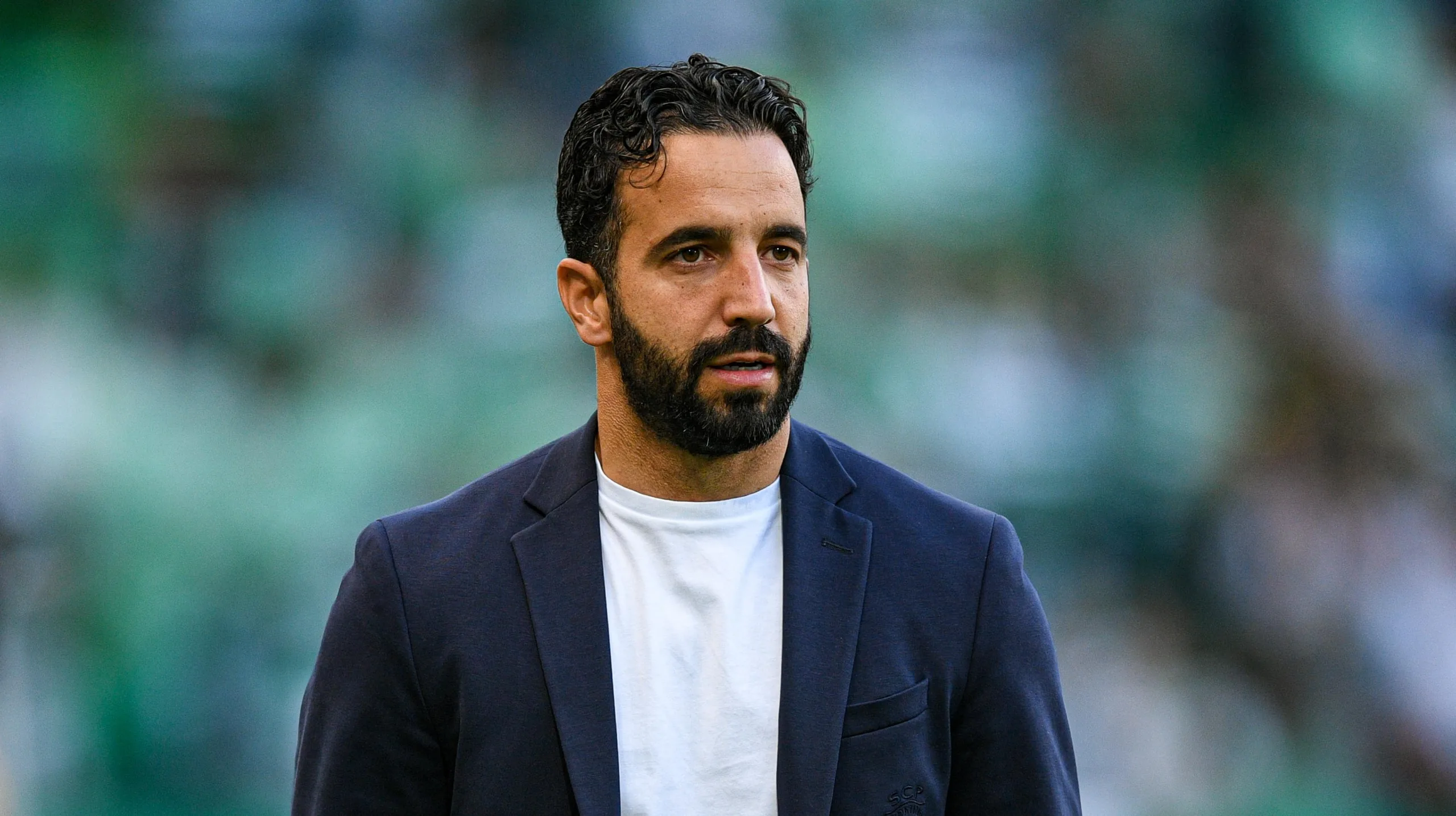
In a swift and decisive move that has sent shockwaves through the world of football, Manchester United announced today the dismissal of head coach Ruben Amorim, bringing a turbulent 14-month tenure to an abrupt end. The decision, described by the club as “reluctant,” follows an explosive press conference by the Portuguese manager on Sunday and months of deteriorating results, leaving the storied club sixth in the Premier League table and searching for direction once more.
Former United midfielder and current under-18s coach Darren Fletcher has been appointed as interim manager, tasked with steadying a ship that has been adrift under Amorim’s rigid command.
Amorim’s final days were marked by a stunning public defiance that all but sealed his fate. Speaking after a 1-1 draw with Leeds United at Elland Road, the 40-year-old launched a pointed critique of the club’s structure, insisting on a distinction that resonated with finality. “I came here to be the manager of Manchester United, not to be the coach of Manchester United. That is clear,” Amorim stated, his words dripping with frustration.
He framed his position as a temporary holding pattern, adding, “I know that my name is not [Thomas] Tuchel, it’s not [Antonio] Conte, it’s not [Jose] Mourinho, but I’m the manager of Manchester United and it’s going to be like this for 18 months or when the board decides to change”. This rhetorical flourish, name-checking elite managers with full control, highlighted the core conflict: a head coach demanding the autonomy of a manager, and a modern football structure unwilling to grant it.
The club’s official statement pointed to a simple, brutal calculus: performance. “With Manchester United sixth in the Premier League, the club leadership have reluctantly made the decision that it is the right time to make a change,” the announcement read.
It continued, stating the move would “give the team the best opportunity of the highest possible Premier League finish”. This corporate language belied a stark reality. With just 34 points from 33 league matches, a rate of 1.03 points per game, Amorim presided over one of the most anemic stretches in the club’s modern history. As pundits noted, such a points tally extrapolated over a full season would have seen United flirting with relegation in previous eras, a staggering notion for a club of its stature.
Beneath the poor results lay a philosophy war that Amorim was destined to lose. His unwavering commitment to a 3-4-3 formation became a symbol of his stubbornness, a hill he repeatedly said he was willing to die on. “There is no second way,” he famously declared upon his arrival, and even as losses mounted, he claimed “not even the Pope” could convince him to change his mind. This rigidity alienated players and baffled observers.
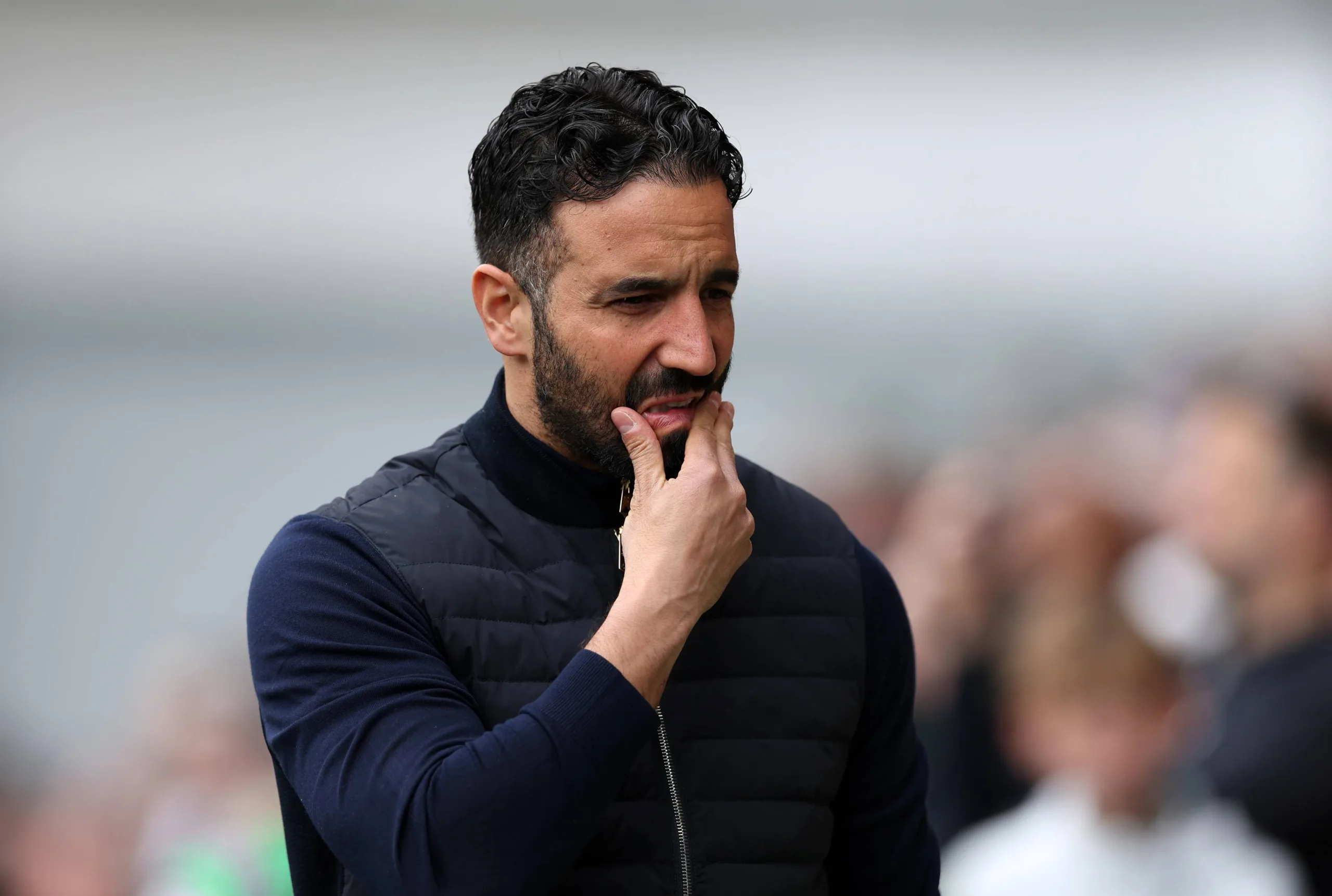
Talented individuals like Kobbie Mainoo, whom fans saw as a future cornerstone, were sidelined for not fitting the system, with Mainoo eventually requesting a loan move to escape the impasse. The alienation extended to established stars, creating a dressing room atmosphere devoid of confidence and momentum.
Former goalkeeper Ben Foster summarized the widespread bewilderment, saying, “I get that he wants to play that system, but if you haven’t got the players, you can’t play it. Surely you just play your best players in their best position”.
Amorim’s relationship with the board and sporting director Jason Wilcox was fractious, centered on a fundamental disagreement over transfer strategy. The manager felt he was not backed to sign the specific profiles needed to execute his “perfect 3-4-3,” a sentiment he voiced publicly in the weeks leading to his dismissal.
In a more collaborative moment earlier in the season, he had described the transfer process as a search for “common ground” between his vision and the board’s long-term planning. However, this compromise evidently chafed. His weekend outburst, where he insisted “every department – the scouting department, the sport director – needs to do their job,” was the final, very public signal that this fragile collaboration had shattered. It was a clear challenge to the hierarchy, one that United’s leadership was not prepared to tolerate.
The appointment of Darren Fletcher as interim boss represents a reach for stability and club tradition in a time of crisis. A beloved figure who made over 340 appearances for United, winning five Premier League titles and the Champions League, Fletcher’s immediate task is to heal the rift between the squad and the coaching staff.
In the end, Amorim’s reign at Old Trafford serves as a case study in a modern football mismatch. He was a philosopher-coach, insistent on a single, uncompromising idea of how the game should be played. Manchester United, a global institution reeling from a decade of post-Ferguson turbulence, is an organization that craves not just results but a restoration of its identity.
Amorim’s vision and the club’s reality proved incompatible. His departure after just 14 months marks the shortest reign of a permanent United manager since David Moyes was dismissed in 2014, a grim echo of past failures.