
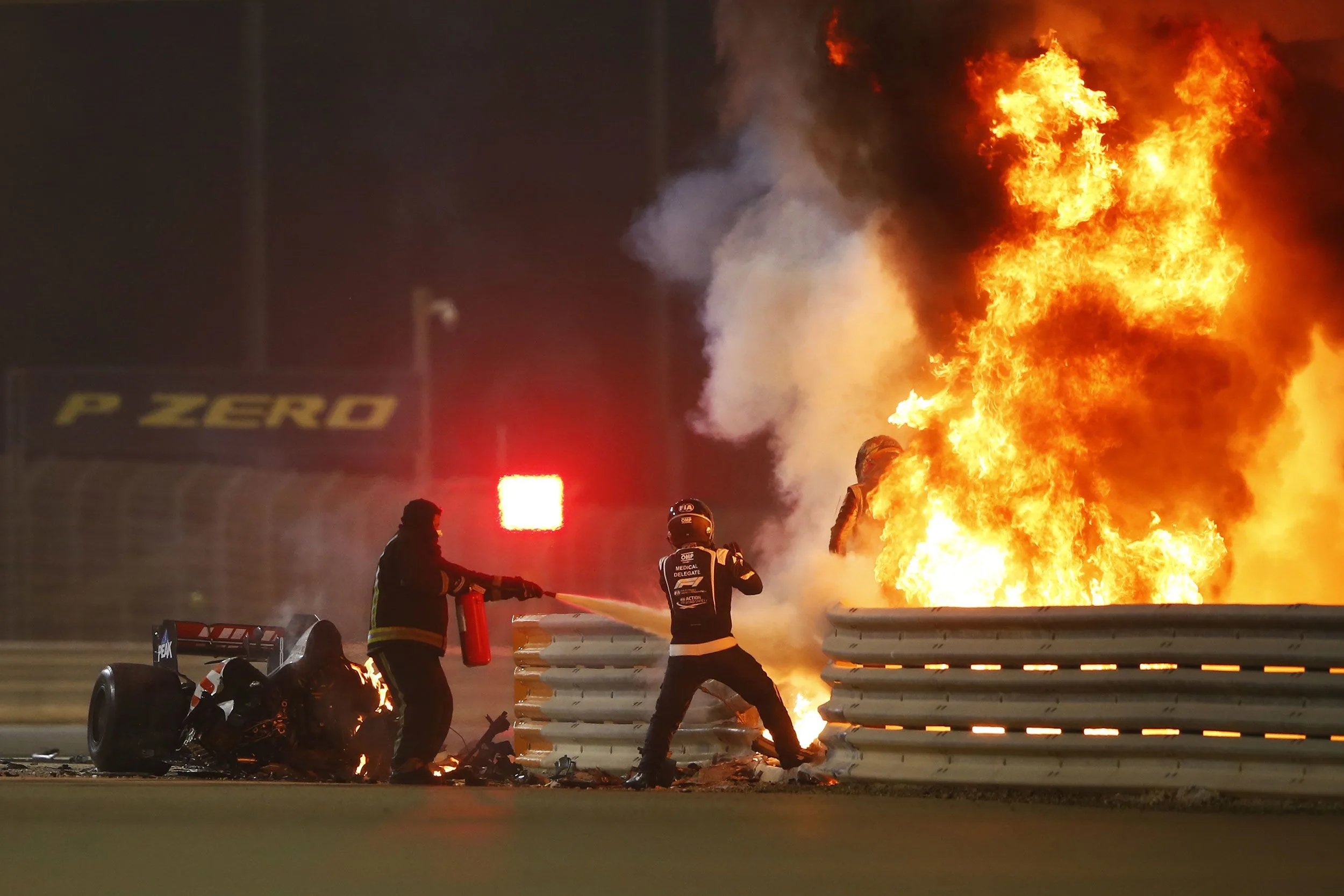
In a poignant moment of personal and professional reflection, former Formula 1 driver Romain Grosjean has been reunited with the charred and scarred racing helmet that protected him during his horrific, fiery crash at the 2020 Bahrain Grand Prix.
The French-Swiss driver shared images of the helmet on social media, marking a deeply emotional return to an artifact representing both immense danger and miraculous survival.
The incident, which unfolded on the opening lap of the race on November 29, 2020, remains one of the most terrifying in modern F1 history. After contact with another car, Grosjean’s Haas speared into a metal barrier at high speed, splitting in two and erupting into a massive fireball with the driver trapped inside.
Miraculously, Grosjean managed to extract himself from the blazing cockpit after being stuck for 28 seconds, suffering second-degree burns to his hands but walking away from the 67G impact.
Grosjean revealed that this reunion, over five years after the crash, was prompted by his three children. “I didn’t know if I was ready to see it,” Grosjean confessed in his post, “but my kids really wanted to understand how I got so well protected in the fire and what did happen that night”.
He expressed profound and enduring gratitude to the manufacturers behind his safety gear, writing, “I’ll forever be grateful to Bell Racing and Alpinestars for protecting me so well in that moment”.
Beyond the helmet, the crash became a pivotal case study for F1 safety. Grosjean has previously credited the halo cockpit protection device with saving his life, stating, “Without it, I wouldn’t be able to speak to you today”.
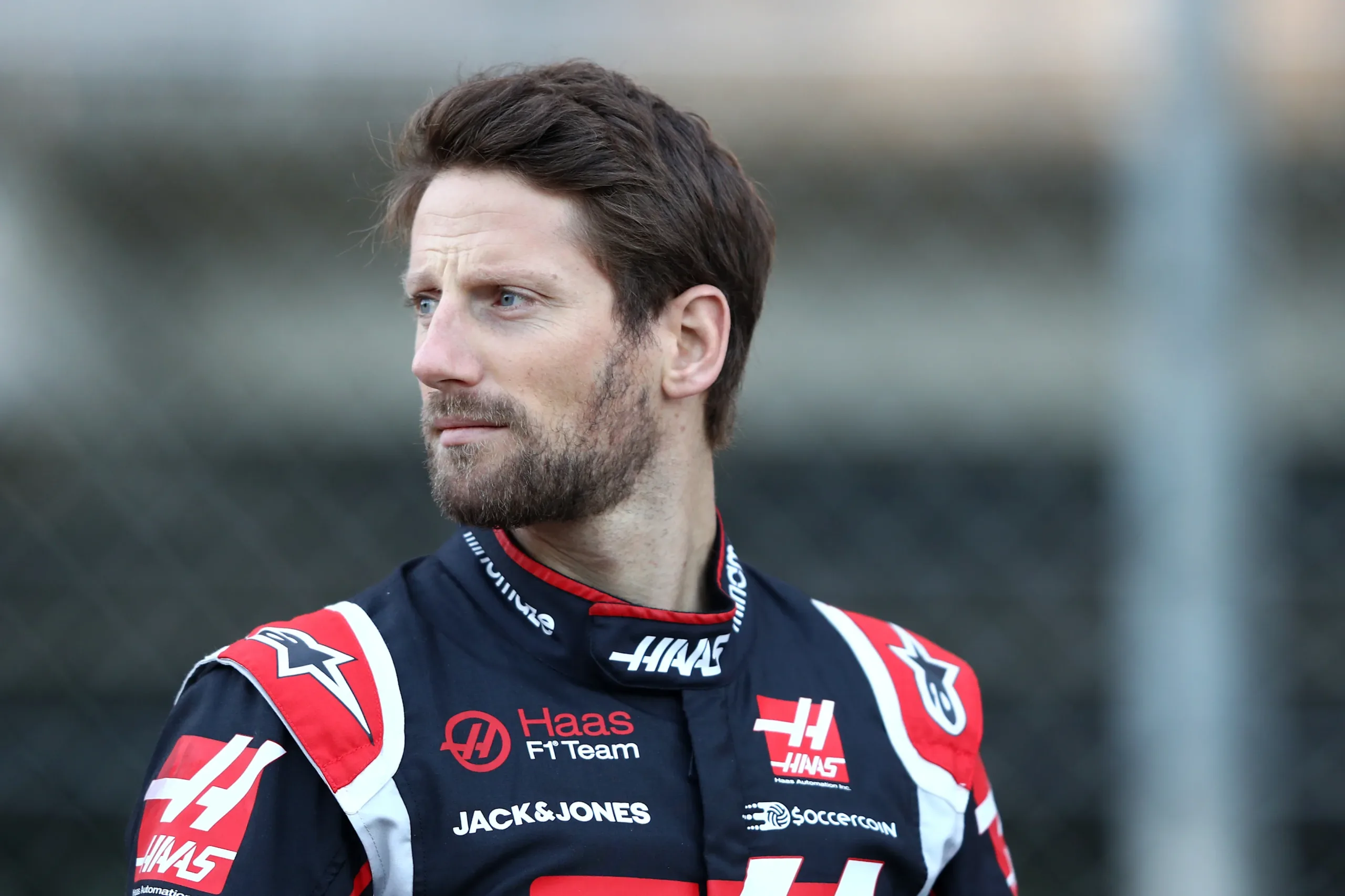
The sentiment is echoed by those who witnessed the event. Kim Keedle, Grosjean’s former performance coach who was at the circuit that night, described the agonizing moments of silence after the impact. “It was a bizarre feeling. Almost a very hollow feeling,” Keedle recounted, noting how Grosjean’s microphone cut out, leaving the team fearing the worst until they received confirmation he had escaped.
The reunion with the helmet served as more than a technical explanation for his children; it was a powerful reminder of perspective for the 39-year-old driver. He signed off his emotional post with a reflective note: “Life goes and we forget, but that reminds me how much we should make the most of our lives every day”.
He concluded with the hashtag “#thephoenix,” a moniker he adopted after the crash, symbolizing his rise from the ashes.
Since recovering from his injuries, Grosjean forged a successful second career in American motorsport, competing in IndyCar and sports car racing.
He also received an emotional farewell to F1 in September 2025, when his former Haas team invited him to test a car at Italy’s Mugello circuit, finally using the helmet his children had designed for his originally planned final race in 2020.
Other remnants of the crash, including his gloves and steering wheel, are currently part of F1’s traveling exhibition, serving as permanent, sobering testaments to the sport’s inherent dangers and the advanced safety technology that protects its drivers.