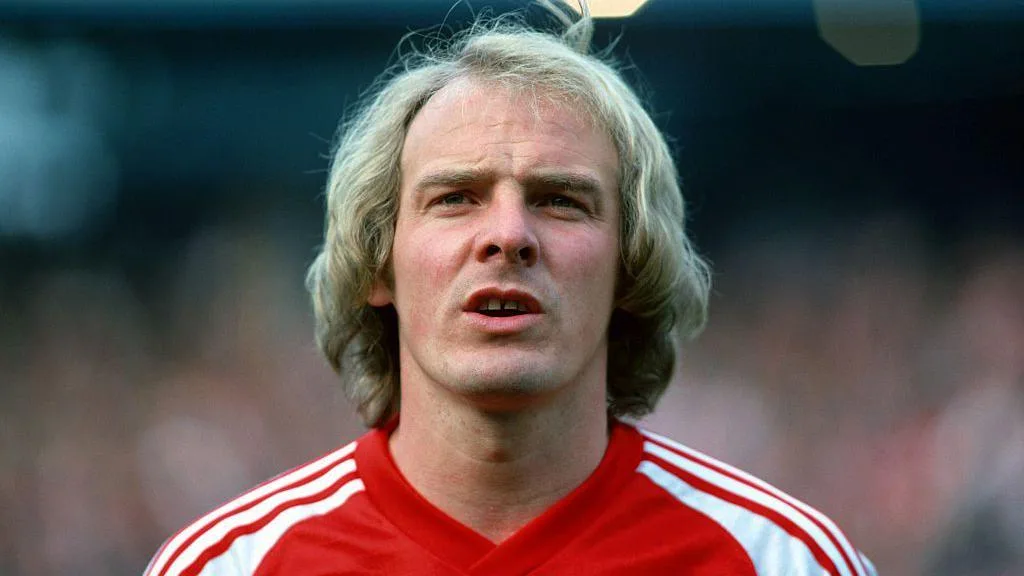
Terry Yorath, the Welsh footballing legend who distinguished himself as both a tenacious player and the national team manager who brought his country agonisingly close to World Cup glory, has died at the age of 75 after a short illness.
His death was announced on Thursday, 8 January 2026, after his daughter, BBC presenter Gabby Logan, was compelled to leave the live broadcast of Match of the Day the previous evening to attend to a family emergency.
Born in Grangetown, Cardiff, Yorath rose through the ranks of Don Revie’s famed Leeds United side, eventually becoming a key figure in a team laden with talent. He won the First Division championship in 1974 and, a year later, became the first Welshman to play in a European Cup final, a 2-0 defeat to Bayern Munich that was mired in controversy.
His combative style was epitomised by a ferocious tackle in that final, later described by Bayern icon Uli Hoeness as “the most brutal foul I think I have ever seen”. Yorath reflected on the era, saying, “The game was different, we played hard and we played to win. But that doesn’t mean I’m not sorry about it”.
After leaving Leeds, he captained Coventry City and had spells at Tottenham Hotspur and Vancouver Whitecaps before his playing career concluded. He earned 59 caps for Wales, captaining his country 42 times.
His leadership qualities were a hallmark of his career. As his former Leeds teammate Eddie Gray noted in a tribute, “He was a very proud Welshman and his greatest achievement was to have been captain of his country”.
Following his playing days, Yorath transitioned into management. He led Swansea City to promotion in 1988 and took the reins of the Welsh national team that same year.
It was in this role that he created his most enduring legacy. He built a formidable Welsh side that defeated giants like Brazil and Germany, lifting Wales to a then-highest FIFA ranking of 27th in August 1993.
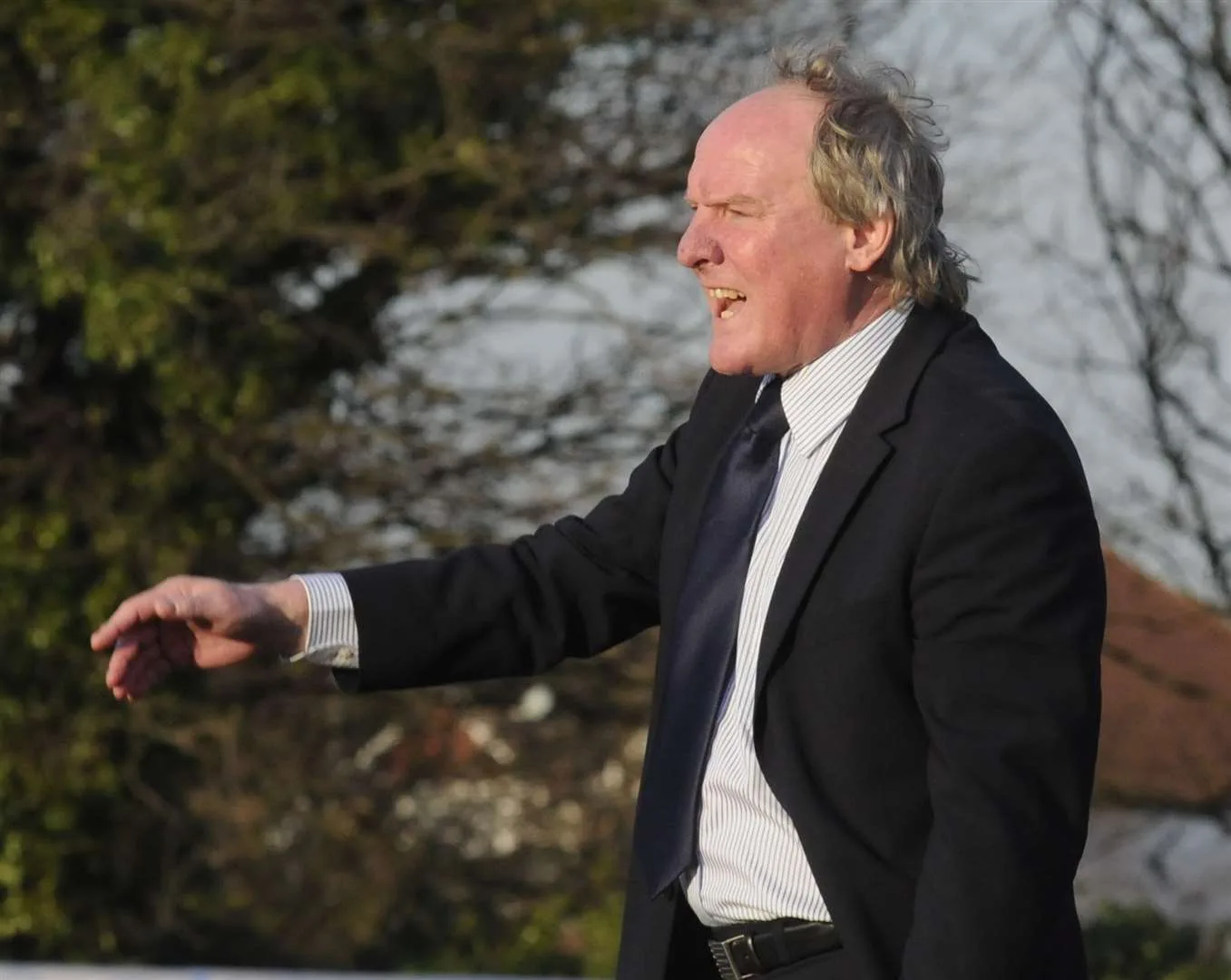
The pinnacle of his tenure came in a 1994 World Cup qualifier against Romania. Victory at Cardiff Arms Park would have secured Wales’ first World Cup finals berth since 1958. With the score at 1-1, Wales were awarded a penalty, only for Paul Bodin to strike the crossbar. Romania went on to win 2-1, and Yorath’s contract was not renewed, a decision that dismayed many supporters.
Refusing to cast blame, Yorath later said, “It wasn’t Paul’s fault we lost the game. People forget [goalkeeper] Nev Southall made a hash of it for the first goal”.
Yorath’s life was marked by profound personal tragedy. In 1992, his 15-year-old son, Daniel, died suddenly from an undiagnosed heart condition after playing football with his father in their garden. The loss haunted Yorath, who admitted, “I didn’t, really,” when asked how he coped. “I started drinking more. I would go up to his grave every night… I’d go into his room and smell his clothes”.
A decade earlier, he was present at the Bradford City stadium fire in 1985 as a player-coach, helping to evacuate people before escaping himself by breaking a window and jumping out. He recalled the horror of seeing “this old guy with his hands folded across his chest and you could see the burns on his arms”.
After his tenure with Wales, he had a notable spell managing the Lebanon national team, significantly improving their world ranking, and later held various club roles.
In a statement, his children, Gabby, Louise, and Jordan, said: “To most he was a revered footballing hero, but to us he was Dad; a quiet, kind and gentle man. Our hearts are broken but we take comfort knowing that he will be reunited with our brother, Daniel”.
Tributes poured in from across the football world, with former Wales captain Ashley Williams calling him “such an icon in Welsh football”. The Football Association of Wales expressed its deep sadness, and Leeds United said everyone at the club was “devastated” by the loss of a legend. Yorath is remembered as a warrior on the pitch, a pioneering manager who elevated Welsh football, and a man who bore immense personal sorrow with dignity.