
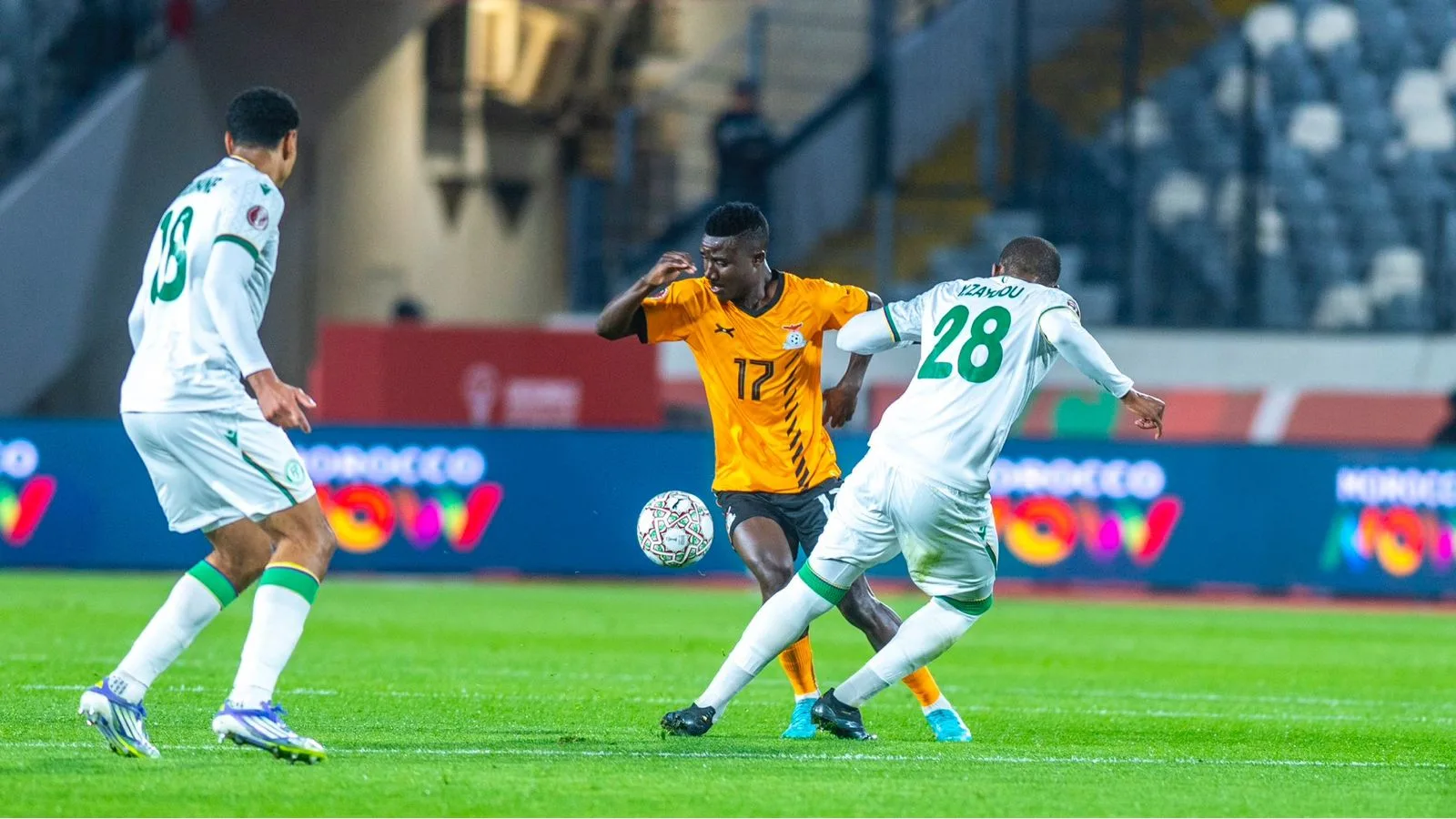
In the tense, tactical landscape of the Africa Cup of Nations, a draw can often feel like a defeat for one team and a triumph for another.
Yet the 0-0 stalemate played out between Zambia and Comoros at the Mohammed V Stadium in Casablanca on Friday night was a result that left both sets of players and supporters suspended in a state of agonized limbo, their continental dreams neither dashed nor secured but left precariously balanced on a knife’s edge.
In a match where clear chances were as scarce as the goals, the shared point did little to clarify the path forward in Group A, instead setting the stage for a dramatic and uncertain final day where everything remains to be fought for.
From the opening whistle, the encounter was defined by a palpable caution, a mutual respect borne from the high stakes of tournament football. Both teams, acutely aware that a loss could spell an early end to their campaign, engaged in a fierce midfield battle where possession was contested with more vigor than it was used with creativity.
For Zambia, the memory of their dramatic, last-gasp equalizer against Mali just days prior, secured by Patson Daka’s injury-time header, provided a foundation of resilience but not a template for dominance. Comoros, still stinging from a 2-0 opening defeat to a spectacular overhead kick for host nation Morocco, approached the game with a determined organization, seeking to prove their solid performance in that loss was no fluke.
The resulting pattern was one of intense effort but stifled ambition, a game where defensive structure trumped attacking flair.
The first half’s narrative, and indeed the match’s most significant moment, arrived in the 19th minute and was a capsule of the entire evening’s frustration. Following a dazzling piece of wing play from Rafiki Said, Comoros striker Myziane Maoulida found himself with the simplest of tasks, walking the ball into an empty net from just five yards out.
A roar began to build from the Coelacanths’ supporters, only to be choked off as the realization dawned that referee Ahmad Imtehaz Heeralall had signaled a foul in the build-up. The Video Assistant Referee system confirmed the decision: Yacine Bourhane had committed a poor, late challenge on Zambia’s Owen Tembo, standing on his foot and robbing Comoros of what seemed a certain lead.
Earlier, Maoulida had seen another effort blocked on its way to goal by a heroic sliding challenge from Zambian defender Dominic Chanda, summing up a period where Comoros, showing the confidence from their Moroccan performance, looked the more likely side but found every avenue to goal abruptly closed.
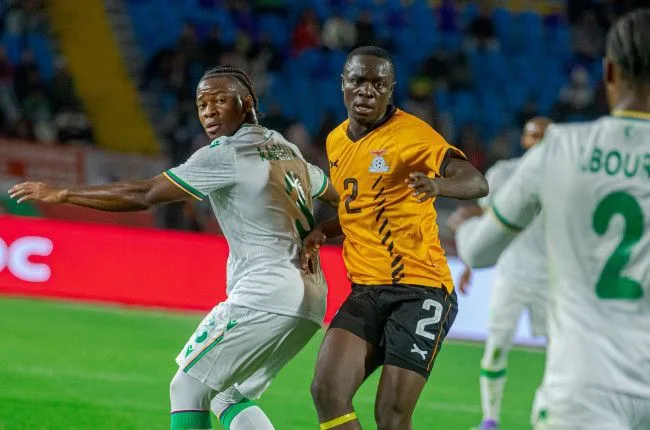
If the first half offered a glimmer of controversy and near-breakthroughs, the second period settled into a grinding, attritional stalemate that will not live long in the memory of the neutral observer. Comoros continued to enjoy the better share of possession and attempted to dictate the tempo, yet their play in the final third was plagued by rushed finishing and lapses in concentration.
Their best opportunity after the break fell to Faiz Selemani, who connected with a deep cross only to see his header land on the roof of the Zambian net with goalkeeper Willard Mwanza caught in no man’s land. For Zambia, the attacking spark that had ignited so late against Mali remained elusive.
Their lone first-half threat, a dipping left-footed drive from Kings Kangwa that sailed just over the bar, was as close as they came to troubling Comoros’s assured goalkeeper, Yannick Pandor. The Leicester City striker Patson Daka, hero of the previous match, was starved of service and found himself chasing lost causes, his most notable contribution being a tackle on an overplaying Pandor that nearly resulted in an embarrassing own goal for the Comoros keeper.
As the final whistle blew on the first goalless draw of the 2025 AFCON, the reactions on the pitch told the story of a shared, simmering dissatisfaction. For Comoros, there was a palpable sense of a missed opportunity.
They had been, by most accounts, the better side for large spells, bossing proceedings and playing the more considered football, yet they failed to convert their moderate superiority into the three points that would have revitalized their tournament. The frustration of their players was visible, knowing that a goal wrongly given and then taken away, along with other half-chances, could have changed their destiny.
Zambia, meanwhile, extended an unenviable record to 12 consecutive AFCON matches without a victory, a staggering run that dates back to their fairytale triumph in 2012. The disciplined defensive performance, a credit to their organization, was overshadowed by a concerning lack of creative potency, leaving them with the uneasy knowledge that their fate was now tied to a showdown with the tournament hosts.
The arithmetic of Group A now presents a daunting challenge for both nations. With the draw, Zambia moves to two points, while Comoros collects their first. All eyes now turn to the group’s final fixtures on Monday, where the equations for survival are starkly clear.
Zambia will travel to Rabat to face a Morocco side riding a wave of home support and confidence after their statement win over Comoros and a subsequent victory against Mali. For Chipolopolo, the task is Herculean: they will likely need to secure at least a point, and perhaps all three, against Africa’s highest-ranked team to have any hope of advancing as one of the best third-place finishers.
Comoros, with a single point, faces a similarly formidable but perhaps more nuanced battle against Mali back in Casablanca. Their mission is unequivocal: they must win. A draw does them little good, and a loss would end their journey.