
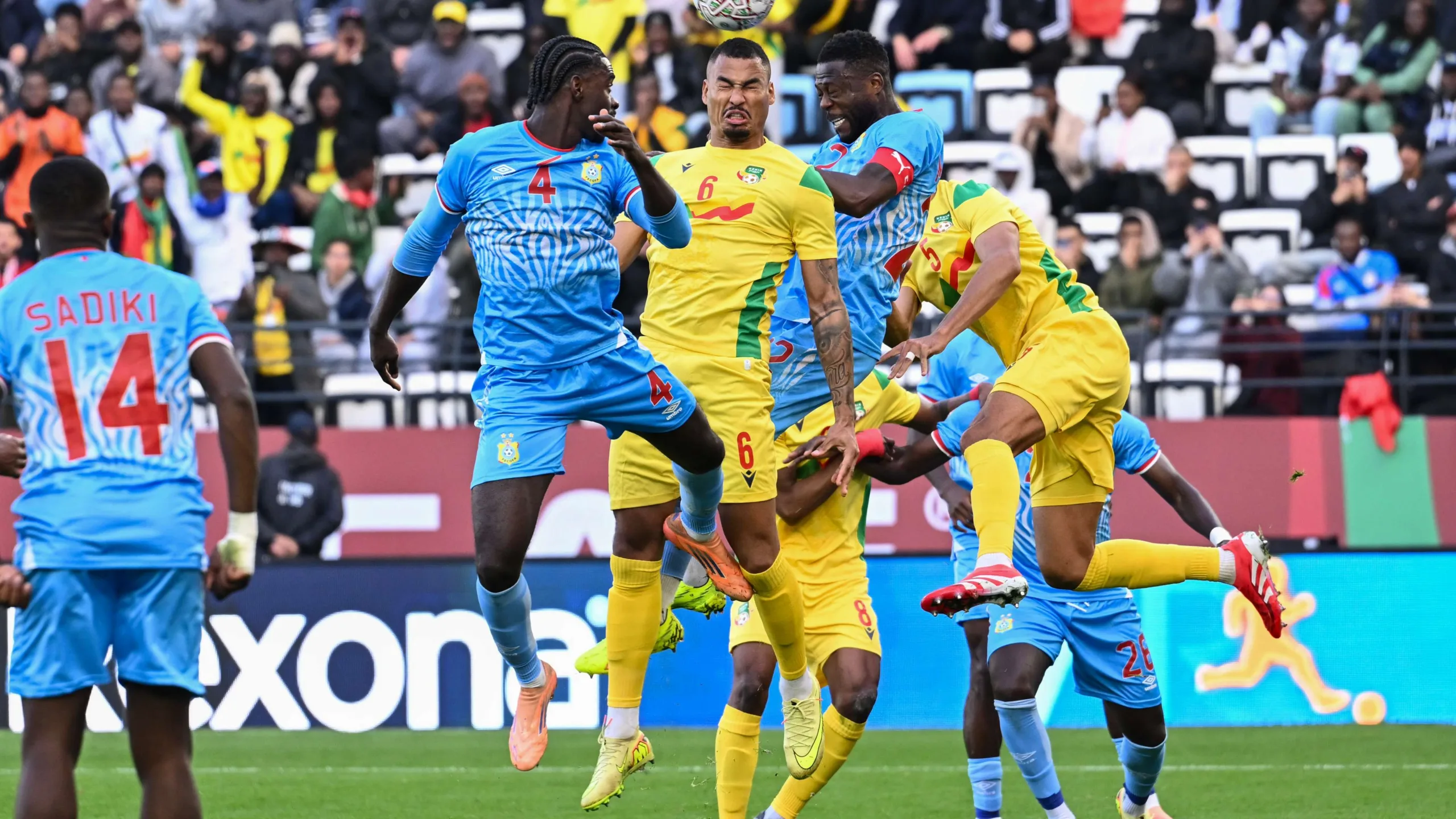
In a tense and dramatic opening to their 2025 Africa Cup of Nations campaign, the Democratic Republic of Congo edged Benin 1-0 at the Al Medina Stadium in Rabat, Morocco. A single, opportunistic goal from striker Théo Bongonda proved enough to separate the two sides in a match that was ultimately defined by a costly defensive error, a significant dose of controversy, and a nerve-shredding finale that saw Benin come agonizingly close to a last-gasp equalizer.
The victory temporarily propelled DR Congo to the top of Group D, but the performance revealed a team grappling with its own inconsistencies, leaving as many questions as answers about its potential to be a genuine contender in this tournament.
From the opening whistle, the tactical intent from DR Congo’s French coach Sébastien Desabre was clear. Fielding a lineup rich with European experience, including the defensive trio of Chancel Mbemba, Axel Tuanzebe, and Aaron Wan-Bissaka, the Leopards sought to establish control through patient possession and structured build-up.
Their early dominance was pronounced, pinning a Benin side missing five suspended starters deep in their own half. The sustained pressure yielded its reward in the 16th minute, and it arrived from a blend of hopeful attacking and outright defensive calamity.
Sunderland’s Arthur Masuaku launched a searching, looping ball from deep towards the Benin penalty area. In a moment of inexplicable misjudgment, Benin defender Yohan Roche ducked underneath the ball’s trajectory, apparently believing it would sail harmlessly through to his goalkeeper, Saturnin Allagbé.
Lurking with intent, Théo Bongonda of Spartak Moscow did not hesitate. The attacker pounced on the gift, met the ball with a first-time left-footed volley, and guided it expertly into the bottom corner, sending the Congolese supporters into raptures.
It was a finish that showcased Bongonda’s alertness but was fundamentally a product of a profound individual mistake, a theme that would hauntingly resurface for both sides as the evening progressed.
The goal should have been the catalyst for DR Congo to settle into a rhythm of controlled dominance and hunt for a decisive second. For a period, they threatened to do just that. Veteran striker Cédric Bakambu found himself at the heart of the action, first denied by a sharp save from Allagbé in a one-on-one situation and then seeing a subsequent attacking move chalked off for offside.
Yet, as the first half wore on, the Leopards’ intensity curiously waned. They allowed Benin, who had offered scant threat, to grow into the contest. The Cheetahs, managed by the experienced Gernot Rohr, began to enjoy surprising spells of possession, though their forays forward consistently broke down due to a glaring lack of precision in the final third.
This pattern of Congolese profligacy and Beninese endeavor without a cutting edge set the stage for a second half brimming with drama and high-stakes tension.
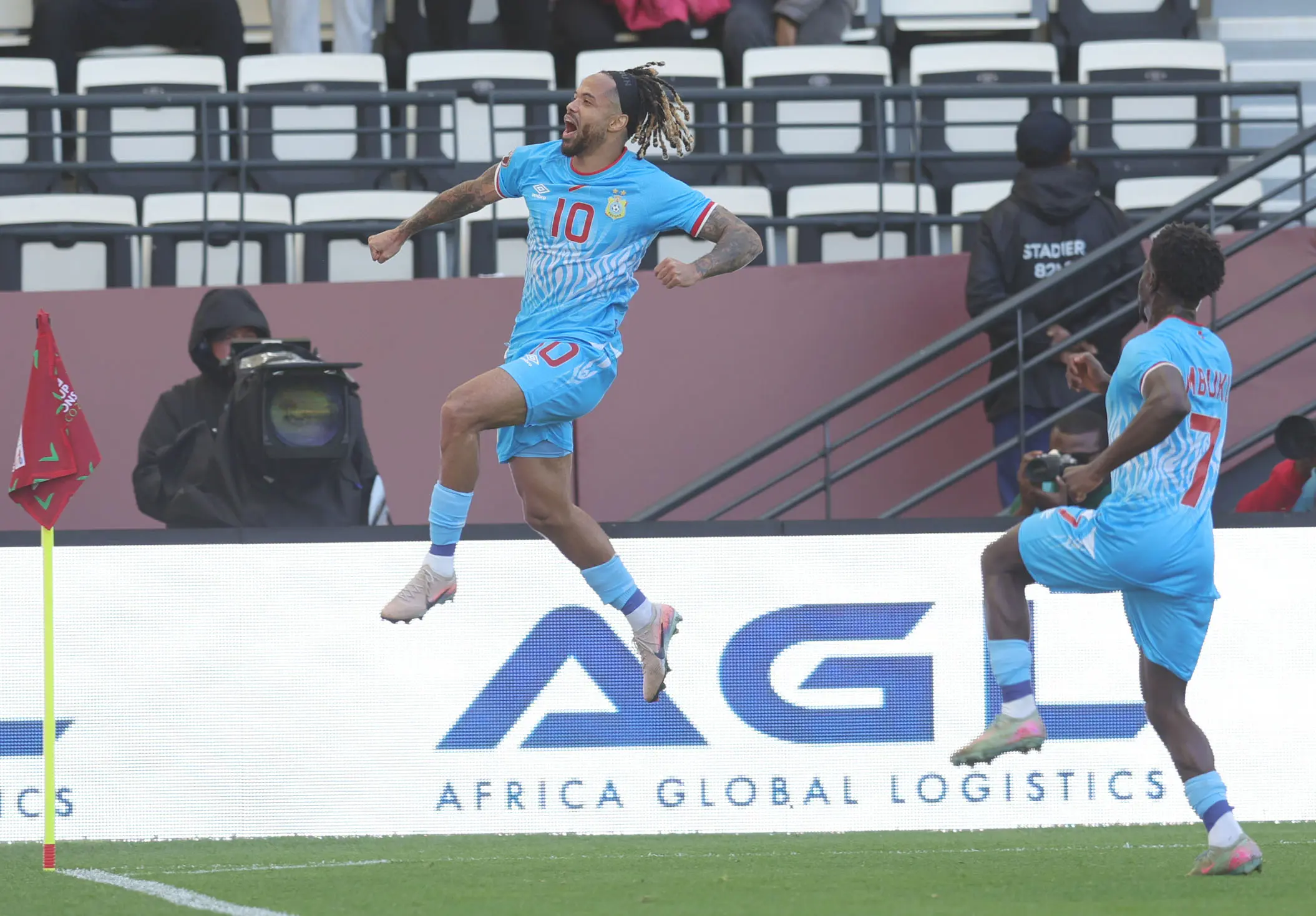
The interval did little to calm the growing unease within the Congolese ranks, and the match exploded into controversy just six minutes after the restart. Bakambu, seemingly having atoned for his earlier miss, rose powerfully to meet a cross and thunder a header past Allagbé, sparking wild celebrations for what appeared to be a 2-0 lead.
However, the joy was short-lived. The Video Assistant Referee intervened, initiating a lengthy review that culminated in the goal being disallowed for an offside infringement by Nathanaël Mbuku in the build-up. The decision was a crushing blow to DR Congo’s momentum and a lifeline for Benin.
Yet, the technological drama was far from over. Later in the half, as Benin applied pressure in search of an equalizer, Congolese captain Chancel Mbemba appeared to handle the ball inside his own penalty area. The Benin players and supporters screamed for a penalty, but in a bizarre twist of fate, the referee’s communications equipment, which links to the VAR system, experienced a critical failure at that precise moment.
The malfunction meant the incident could not be reviewed, leaving Benin incensed and fueling immediate post-match debate about fortune’s role in the result.
As the clock ticked into ten minutes of added time, primarily due to the earlier equipment failures, the match reached its crescendo. DR Congo, having failed to put the game to bed, were now clinging desperately to their slender lead.
Benin, sensing one final opportunity, threw everything forward. In the dying seconds, substitute Aiyegun Tosin found himself with a golden chance to etch his name into history. Breaking into the box, his shot from a narrowing angle was thwarted by the legs of Congolese goalkeeper Lionel Mpasi, the ball bouncing agonizingly across the face of the goal and away to safety.
The collective gasp from the Beninese contingent echoed around the stadium, a sound of immense relief for the Leopards. When the final whistle sounded shortly after, the contrast in emotions was stark: exhausted jubilation for DR Congo and heartbroken frustration for a Benin side that had fought valiantly but fallen just short.
For Gernot Rohr’s Benin, the defeat is a bitter pill to swallow, marked by individual error, ill-timed technological failure, and squandered late chances. Returning to the AFCON finals for the first time since their memorable 2019 quarter-final run, they demonstrated organization and spirit but ultimately lacked the clinical edge required at this level.
For Sébastien Desabre and DR Congo, the analysis is more complex. The three points are priceless, and the team’s resilient defensive showing, marshaled by their experienced back line, is a positive foundation.
They enter this tournament on a notable upward trajectory, having recently secured a historic intercontinental playoff spot for the 2026 World Cup and risen in Africa’s FIFA rankings. However, the inability to convert dominance into goals and the reliance on fortune to see out the game will be concerns.