
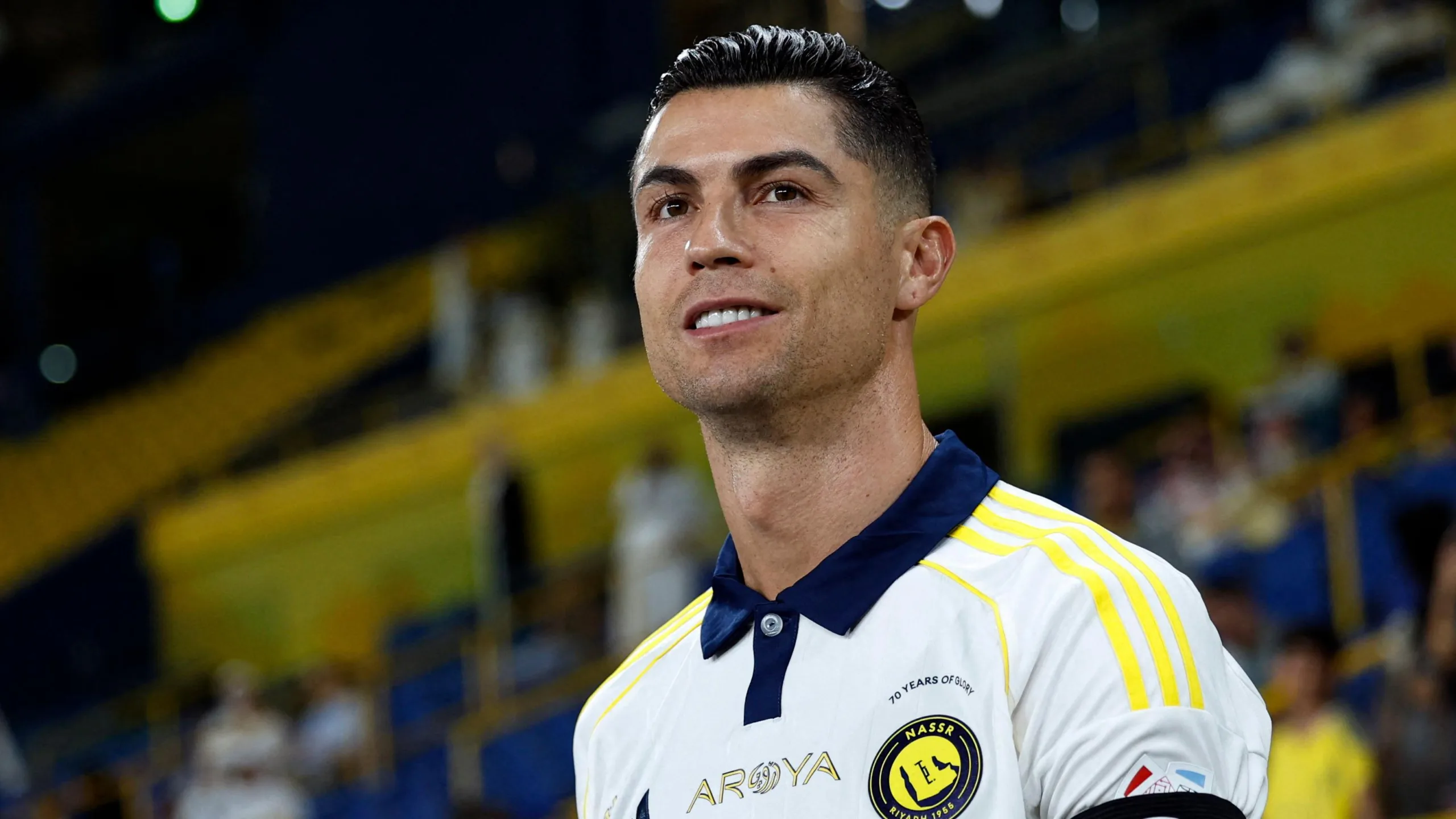
Cristiano Ronaldo has officially entered the annals of football and finance history, becoming the sport’s first billionaire according to the latest figures published by Bloomberg. At age 40, the Portuguese superstar has crossed into rarified financial territory, with a net worth estimated at $1.4 billion, marking a milestone not just in his own storied career but in the economics of modern football.
This remarkable valuation is rooted in a combination of lifetime earnings, endorsements, strategic contracts, and business ventures. Bloomberg’s assessment brings together Ronaldo’s historic salaries, brand deals, and equity stakes — drawing a picture of an athlete whose financial ascent is as deliberate as his ability to find the back of the net.
Ronaldo’s contract with Saudi Arabia’s Al Nassr has been central to this transformation. His deal reportedly exceeds $400 million and was extended in 2025 to keep him with the club longer. The terms are unusually favorable: the contract is tax-free, includes significant bonuses, and comes with other perks.
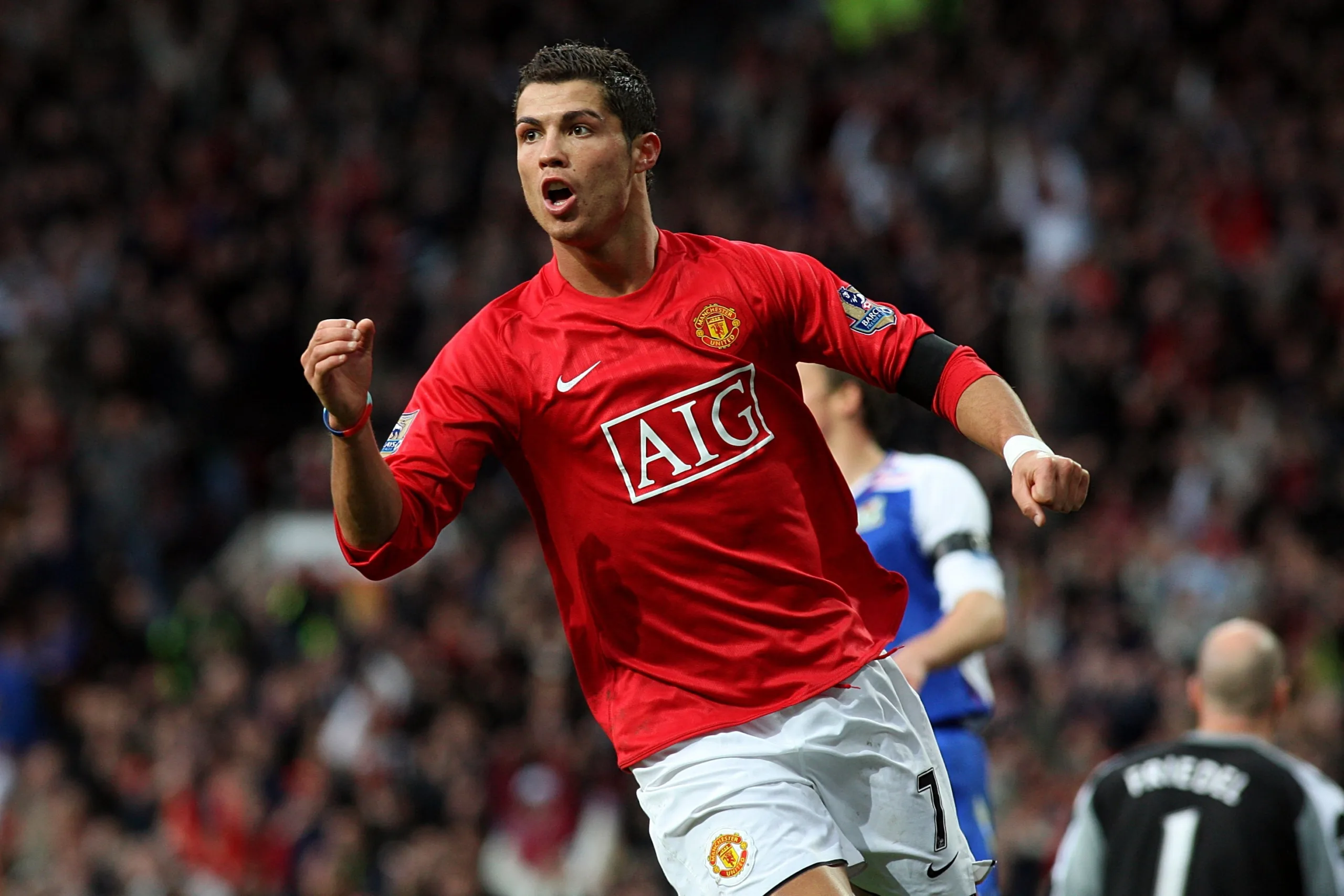
Earlier salary figures suggest that from 2002 to 2023, Ronaldo earned more than $550 million in player wages alone. Endorsement agreements — notably his ten-year partnership with Nike worth nearly $18 million annually, as well as deals with brands such as Armani and Castrol — have added more than $175 million to his coffers.
Beyond pure earnings, Ronaldo is believed to hold a 15 percent stake in Al Nassr, further amplifying his wealth as the club’s profile rises.
His inclusion in the Bloomberg Billionaires Index marks the first time that a footballer appears on that list — a signal of how the financial scale of top-tier players has evolved. Ronaldo’s elevation into the billion-dollar league places him among a small cadre of athletes, including Michael Jordan, LeBron James, Roger Federer, and Tiger Woods, who have breached that threshold.
Despite the magnitude of the recognition, Ronaldo has downplayed thoughts of stepping away from the pitch. At the Portugal Football Globes ceremony, he reflected on the tension between family urging and personal desire. “My family says it’s time to quit, and they ask me why I want to score 1,000 goals if I’ve already scored 900-something,” he said. “But I don’t think that way inside. I’m still producing good things. I’m helping my club and the national team. Why not continue?”
He acknowledged he may not have many years left at the top, but emphasized that those remaining should be savored: “I know I don’t have many years left to play, but the few I have left, I have to enjoy them to the fullest.”
In the broader cultural sense, Ronaldo’s journey from humble beginnings on the Portuguese island of Madeira to the summit of both sport and wealth is a narrative of personal ambition, discipline, and brand cultivation.
Over the years, he has diversified beyond the pitch — establishing the CR7 brand in fashion, fragrances, hotels, fitness, and digital media ventures — layering assets that cushion the volatility of athletic income.