
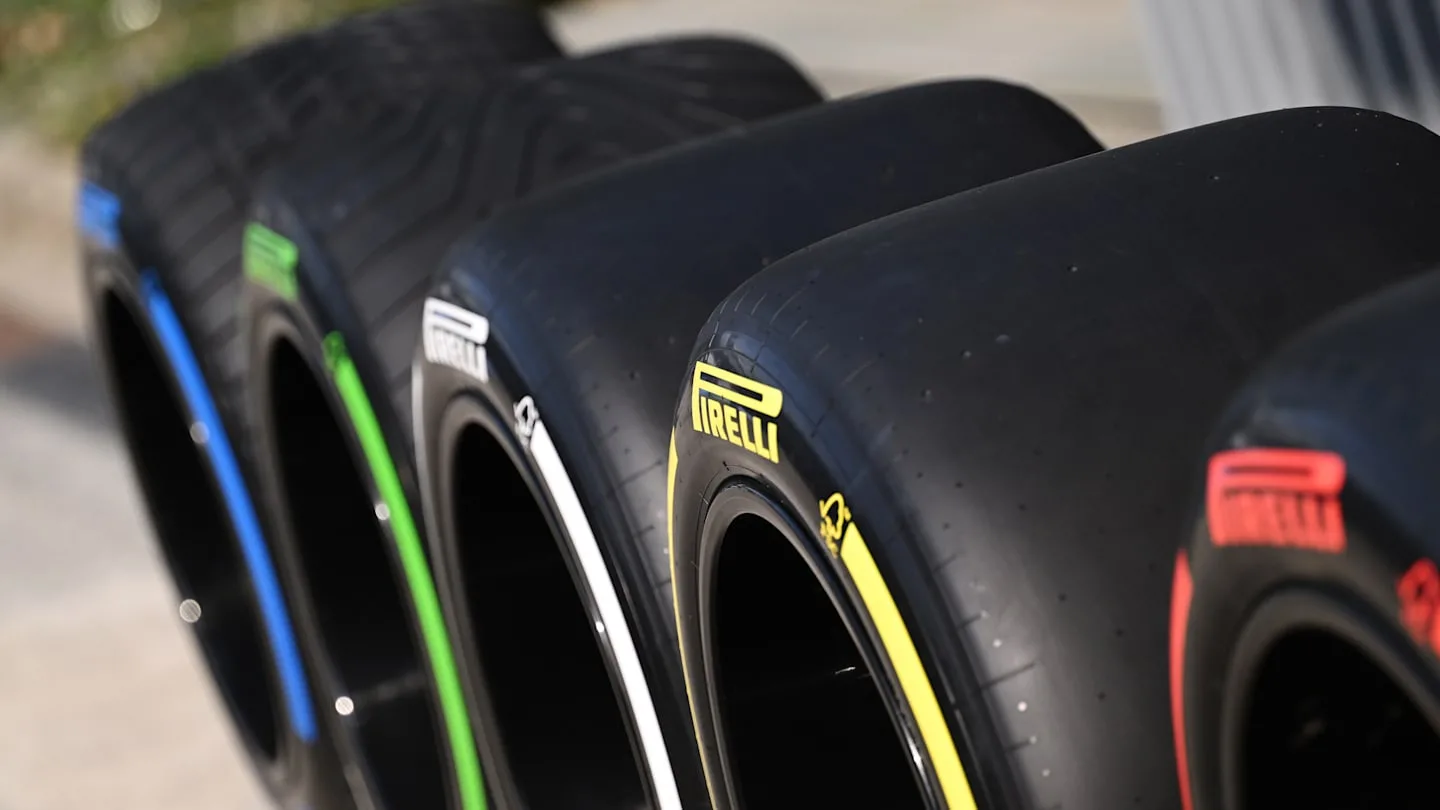
Formula 1 tires, often described as “slicks,” stand in stark contrast to the heavily treaded tires found on everyday road vehicles. Their smooth, glossy surface is a hallmark of the sport, designed to maximize performance on the racetrack. This distinctive design has puzzled casual fans and newcomers alike, as it seems counterintuitive that tires without grooves could provide superior grip, especially when compared to street tires where treads are essential for safety.
The answer lies in the unique demands of Formula 1 racing, where speed, precision, and engineering converge to create a high-performance environment unlike any other. This article explores the reasons behind the smooth design of Formula 1 tires, delving into the physics of grip, the role of tire compounds, the impact of track conditions, and the evolution of tire regulations in the sport.
The physics of grip in Formula 1
The primary reason Formula 1 tires are smooth is to maximize grip on dry racetracks, where the sport’s high speeds and intense cornering forces demand exceptional traction. Grip in racing is derived from two key mechanisms: mechanical grip and adhesive grip. Mechanical grip comes from the tire’s ability to interlock with the microscopic irregularities of the track surface, while adhesive grip results from the chemical interaction between the tire’s rubber compound and the asphalt. Smooth tires, or slicks, optimize both by maximizing the contact patch—the area of the tire that touches the track.
Unlike road tires, which require treads to channel water, mud, or debris to prevent hydroplaning, Formula 1 tires are designed for meticulously maintained racetracks that are typically dry and clean. Treads reduce the contact patch by creating grooves, which decreases the amount of rubber in contact with the road. In contrast, a slick tire’s smooth surface ensures that the entire tire face engages with the track, providing a larger contact patch. This is critical in Formula 1, where cars accelerate to speeds exceeding 200 mph and navigate corners with forces up to 5 Gs. A larger contact patch translates to greater traction, allowing drivers to brake harder, accelerate faster, and corner at higher speeds without losing control.
The importance of the contact patch is evident when comparing Formula 1 tires to road tires. For instance, a standard road tire might have a contact patch reduced by 20-30% due to tread patterns, whereas a Formula 1 slick tire uses nearly 100% of its surface area. This design is particularly effective on smooth asphalt tracks, where the tire can “bite” into the surface’s texture, enhancing mechanical grip. The adhesive grip is further amplified by the soft, sticky rubber compounds used in Formula 1 tires, which are engineered to conform to the track’s surface at a molecular level, creating a temporary bond that boosts traction.
The role of tire compounds
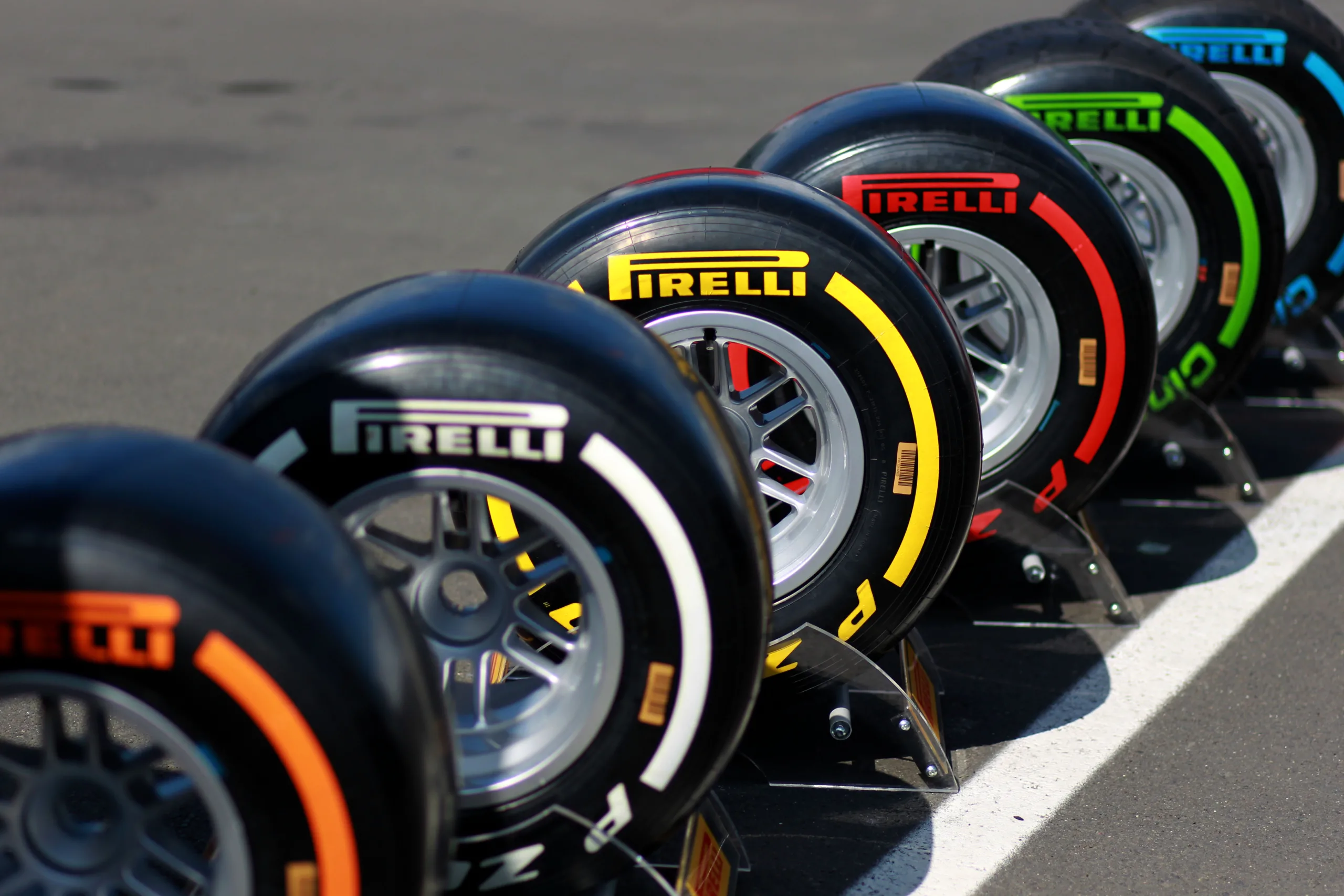
The performance of Formula 1 slicks is heavily influenced by the rubber compounds used in their construction. Pirelli, the sole tire supplier for Formula 1 since 2011, produces a range of dry tire compounds labeled C0 to C5, with C0 being the hardest and C5 the softest. These compounds are tailored to balance grip and durability, as softer tires provide superior traction but wear out faster, while harder compounds last longer but offer less grip. The smooth surface of slicks complements these compounds by ensuring maximum rubber contact with the track, allowing the chemical properties of the rubber to shine.
Softer compounds, like the C5, are particularly sticky when heated to their optimal temperature range (typically 80-120°C), enhancing adhesive grip. This stickiness allows the tire to conform to the track’s micro-texture, almost like glue, which is why Formula 1 cars can maintain grip during high-speed cornering. The smooth surface ensures that this stickiness is fully utilized, as any grooves would reduce the effective contact area and diminish the compound’s effectiveness. However, this comes at a cost: soft slicks degrade quickly, often lasting only 10-20 laps, as the intense forces of Formula 1 racing cause the rubber to break down, leaving “marbles” (small rubber debris) on the track.
Harder compounds, like the C0 or C1, are used on high-abrasion tracks or in races requiring longer stints, as they resist wear better but provide less grip. The smooth design remains critical even for these compounds, as it ensures that the tire can still maximize mechanical grip by interlocking with the track surface. Pirelli selects three compounds for each race weekend, labeled as soft (red), medium (yellow), and hard (white), and teams must use at least two during a race, adding a strategic layer to tire management. The smooth surface of these tires is non-negotiable, as it underpins their ability to deliver the grip needed for Formula 1’s extreme performance demands.
Track conditions and tire strategy
The smooth design of Formula 1 tires is optimized for dry, controlled track conditions, but it’s not a one-size-fits-all solution. When rain enters the equation, slicks become a liability due to their inability to channel water, leading to hydroplaning. In wet conditions, teams switch to treaded tires—intermediates (green) for light rain and full wets (blue) for heavy rain. These tires feature grooves to disperse water, much like road tires, but are used only when necessary, as they are significantly slower than slicks in dry conditions due to reduced contact area. For example, intermediate tires can be up to 2-3 seconds per lap slower than slicks, as the treads increase friction and heat in dry conditions, accelerating wear.
Track surface also plays a critical role in why smooth tires are preferred. Formula 1 circuits vary widely, from the smooth asphalt of Monaco to the abrasive surface of Suzuka. Smoother tracks favor softer compounds and slick tires, as adhesive grip dominates, while rougher tracks rely more on mechanical grip, where the tire’s smooth surface can still interlock with the track’s texture. Teams use devices to scan track roughness before races, informing their compound choices and setups. The smooth tire design ensures flexibility across these varied surfaces, as it maximizes the rubber’s ability to adapt to different levels of track abrasiveness.
Temperature is another factor. Formula 1 tires perform best within a specific temperature window, and their smooth surface helps them reach this range quickly by maximizing friction with the track. Teams use tire blankets (limited to 70°C since 2022) to pre-warm tires, but the smooth surface ensures rapid heat buildup during laps. This is why drivers weave during safety car periods—to maintain tire temperature. If tires get too cold, grip diminishes, and if they overheat, degradation accelerates, making the smooth design a critical component of tire performance.
The evolution of Formula 1 tire regulations
The use of smooth tires in Formula 1 has not always been a constant. The sport’s tire regulations have evolved significantly, reflecting changes in technology, safety, and competitive goals. In the 1950s and 1960s, Formula 1 cars used a mix of treaded and slick tires, supplied by manufacturers like Dunlop, Firestone, and Goodyear. Slicks became more common in the 1970s with the introduction of radial tires by Michelin, which offered greater durability and grip, aligning with the sport’s increasing speeds and aerodynamic advancements.
However, in 1998, the FIA introduced grooved tires to slow cars down and improve safety, as cornering speeds had become dangerously high. These tires featured three grooves on the front and four on the rear, reducing the contact patch by about 25% and lowering grip levels. The move was controversial, as it reduced performance and altered driving dynamics, but it achieved its goal of reducing speeds. By 2009, the FIA reversed this decision, reintroducing slick tires to enhance mechanical grip and promote closer racing, as grooved tires had made overtaking more difficult. The return to slicks, combined with aerodynamic changes, shifted the balance toward mechanical grip, making races more exciting.
Since 2011, Pirelli has been the sole tire supplier, introducing a range of slick compounds designed to degrade deliberately to encourage strategic pit stops and variability in race outcomes. The smooth design of these tires is central to this strategy, as it maximizes grip while allowing controlled degradation, forcing teams to balance speed and durability. The 2017 season saw wider tires (305 mm front, 405 mm rear) to enhance grip further, and in 2022, Formula 1 transitioned to 18-inch wheels, aligning with modern road tire trends while maintaining the slick design for performance.
The role of downforce and engineering
Formula 1 cars generate significant downforce—up to 1,500 pounds at high speeds—through aerodynamic elements like wings and diffusers. This downforce presses the car into the track, increasing the effective weight on the tires and enhancing grip. Smooth tires are ideal in this context, as they allow the full contact patch to engage with the track under this immense pressure, maximizing traction. A road car, by contrast, lacks significant downforce, so slick tires on a street vehicle would provide less benefit and be dangerous in varied conditions due to their inability to handle water or debris.
The engineering of Formula 1 tires also involves a unique curing process. Unlike road tires, which are fully cured at the factory, Formula 1 tires are partially cured, with final curing occurring on the track as they heat up during use. This process, combined with the smooth surface, allows the tires to adapt to specific track conditions, enhancing grip but limiting lifespan to as little as 60-120 km per race stint. The glossy sheen on new tires, a byproduct of a release agent used in manufacturing, disappears quickly as the tire is “scrubbed” during initial laps, exposing the optimal rubber surface.
Why smooth tires don’t work on the road
The smooth design of Formula 1 tires is tailored to the controlled environment of a racetrack, making them unsuitable for road use. Street tires need treads to handle wet roads, gravel, or debris, ensuring safety in unpredictable conditions. Slicks, with no grooves, would hydroplane on wet roads, leading to loss of control. Additionally, Formula 1 tires are made with soft compounds that wear out rapidly, unlike road tires designed to last tens of thousands of miles. The high downforce and specialized suspension of Formula 1 cars also mean slicks are optimized for conditions that don’t exist in everyday driving, where mechanical grip is less critical due to lower speeds and forces.