
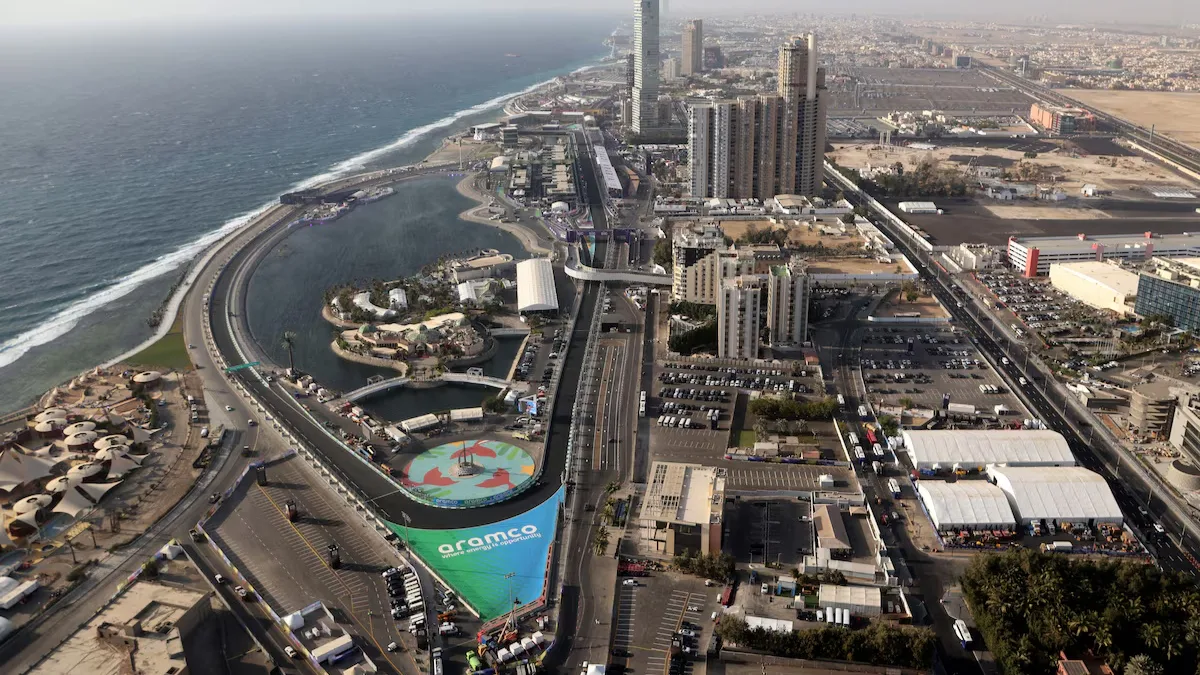
The Saudi Arabian Grand Prix, a recent addition to the Formula 1 calendar since its debut in 2021, has quickly established itself as a thrilling and controversial event in the world of motorsport. Held at the Jeddah Corniche Circuit, this high-speed street track along the Red Sea coast offers a unique blend of blistering speeds, challenging corners, and a stunning nighttime spectacle. As one of the fastest street circuits in F1 history, it pushes drivers and teams to their limits while showcasing Saudi Arabia’s ambitions to become a global hub for sports and entertainment. Beyond the racing, the event has sparked discussions about sportswashing, human rights, and the kingdom’s broader Vision 2030 initiative.
Here are nine fascinating facts about the Saudi Arabian Grand Prix that highlight its significance, challenges, and unique characteristics.
1. The fastest street circuit in Formula 1
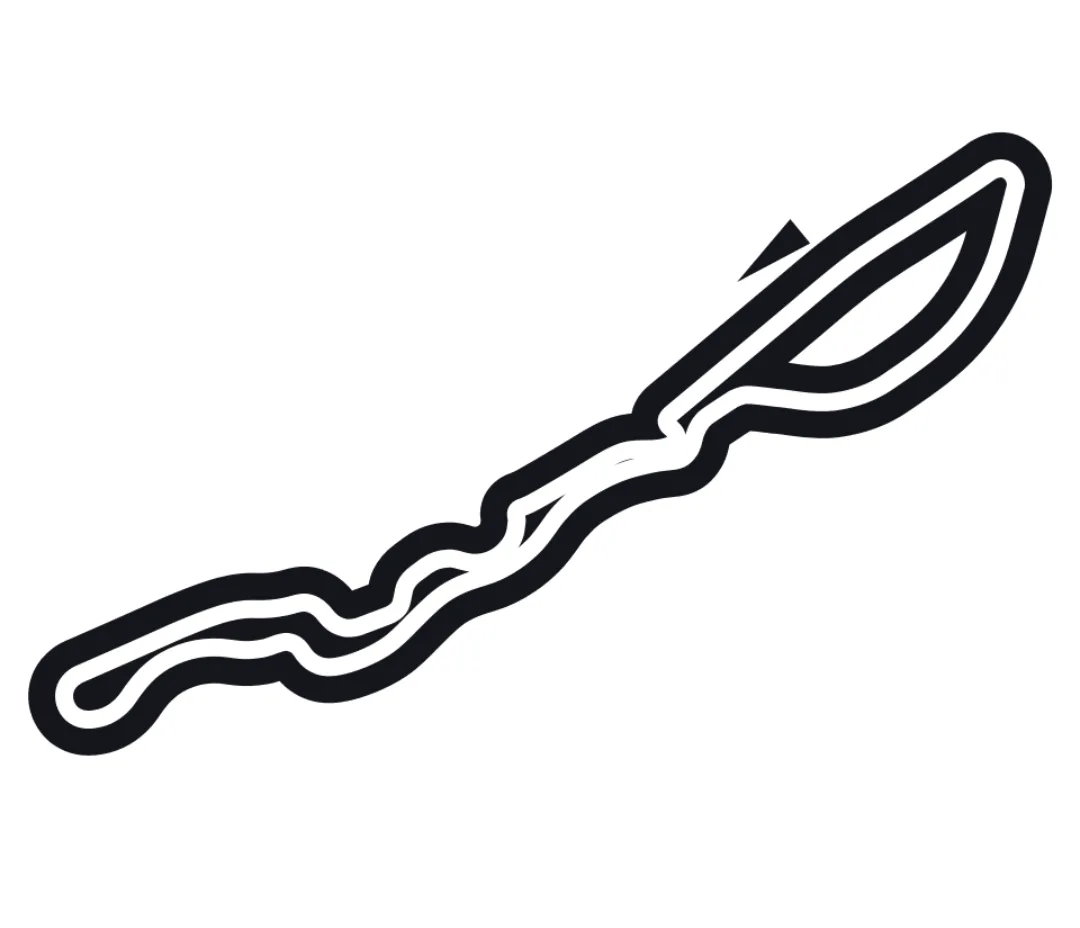
The Jeddah Corniche Circuit is renowned as the fastest street circuit in F1 history, with cars averaging speeds over 250 km/h (160 mph). Top speeds can reach up to 322 km/h, making it second only to Italy’s Monza circuit in terms of outright pace. Designed by Carsten Tilke, son of famed F1 track designer Hermann Tilke, the 6.174 km track features 27 corners—the most of any circuit on the F1 calendar—creating a relentless challenge for drivers. Its high-speed straights and tight walls leave little margin for error, earning it a reputation as both exhilarating and dangerous.
2. A full-night race spectacle
The Saudi Arabian Grand Prix is one of only five full-night races on the F1 calendar, alongside Singapore, Bahrain, Sakhir, and Qatar. Held under floodlights, the race avoids Jeddah’s scorching daytime temperatures, which can exceed 35°C, providing cooler conditions that enhance tire performance and driver comfort. The nighttime setting, combined with the Red Sea backdrop, creates a visually stunning event, with the circuit’s lights reflecting off the water, offering fans a unique viewing experience.
3. Rosewater instead of champagne
Unlike traditional F1 podium celebrations where champagne is sprayed, the Saudi Arabian Grand Prix uses a non-alcoholic rosewater drink called Waard. This reflects local cultural norms, as alcohol is prohibited in Saudi Arabia. The rosewater spray has become a distinctive feature, symbolizing the event’s integration of F1 traditions with regional customs. This adaptation also extends to team branding, as alcohol sponsors’ logos are not permitted on cars during the race weekend.
4. A controversial debut amid human rights criticism
The Saudi Arabian Grand Prix has faced significant scrutiny since its inception, with human rights organizations accusing the kingdom of using the event for “sportswashing” to distract from its human rights abuses. In 2021, Human Rights Watch and 45 other organizations called for a boycott, citing issues such as Saudi Arabia’s role in the Yemeni Civil War and the assassination of journalist Jamal Khashoggi. Lewis Hamilton notably wore a rainbow-colored helmet in 2021 to support the LGBT community, highlighting tensions between F1’s global values and local policies. Saudi officials, however, argue the race is part of their efforts to open the country to the world.
5. A track built in record time
The Jeddah Corniche Circuit was constructed under intense time pressure, with some doubting it would be ready for its 2021 debut. Designed and built in less than a year, the track’s rapid development was a logistical feat, driven by Saudi Arabia’s ambition to host major global events. Despite concerns, the circuit was completed on schedule, showcasing the kingdom’s ability to mobilize resources for its Vision 2030 projects. The track’s smooth, low-abrasion surface and modern facilities have since been praised by teams and drivers.
6. Plans for a future move to Qiddiya
While Jeddah is set to host the Grand Prix until at least 2027, Saudi Arabia has plans for a new motorsport complex in Qiddiya, near Riyadh. Conceived by former F1 driver Alexander Wurz, the Qiddiya track is designed to FIA Grade 1 standards and will feature elevation changes and a rollercoaster running alongside it. Organizers have expressed interest in potentially alternating between Jeddah and Qiddiya or hosting two races annually, signaling Saudi Arabia’s long-term commitment to F1. The Qiddiya circuit is expected to open in 2028 at the earliest.
7. A history of Safety Car deployments
The Jeddah Corniche Circuit’s tight layout and high speeds have led to a high incidence of crashes, with the Safety Car appearing in every Saudi Arabian Grand Prix to date. Notable incidents include Mick Schumacher’s heavy crash in 2022 qualifying and multiple collisions in the dramatic 2021 race. The track’s close barriers and limited run-off areas amplify the risk, forcing teams to factor Safety Car periods into their race strategies, often leading to unpredictable outcomes.
8. Dominance by Red Bull and Verstappen
Since its debut, the Saudi Arabian Grand Prix has seen only three winners: Lewis Hamilton (2021), Max Verstappen (2022, 2024), and Sergio Perez (2023). Red Bull has dominated recent races, securing victories in the last three events and achieving 1-2 finishes in 2023 and 2024. Verstappen holds the record for the most podiums (four), while Perez has the most pole positions (two). Hamilton’s 2021 win remains Mercedes’ only victory, with his lap record of 1:30.734 still standing as of 2025.