

Serie A, Italy’s top-tier football league, is renowned for its tactical sophistication, passionate fanbase, and competitive intensity. As with any professional football league, maintaining discipline on the pitch is crucial, and the yellow card system plays a pivotal role in this process. Accumulating yellow cards can lead to suspensions, affecting players, teams, and the overall dynamics of the season. This article provides an in-depth exploration of how many yellow cards result in a suspension in Serie A, the governing rules, their application, and their broader impact on the league as of March 25, 2025.
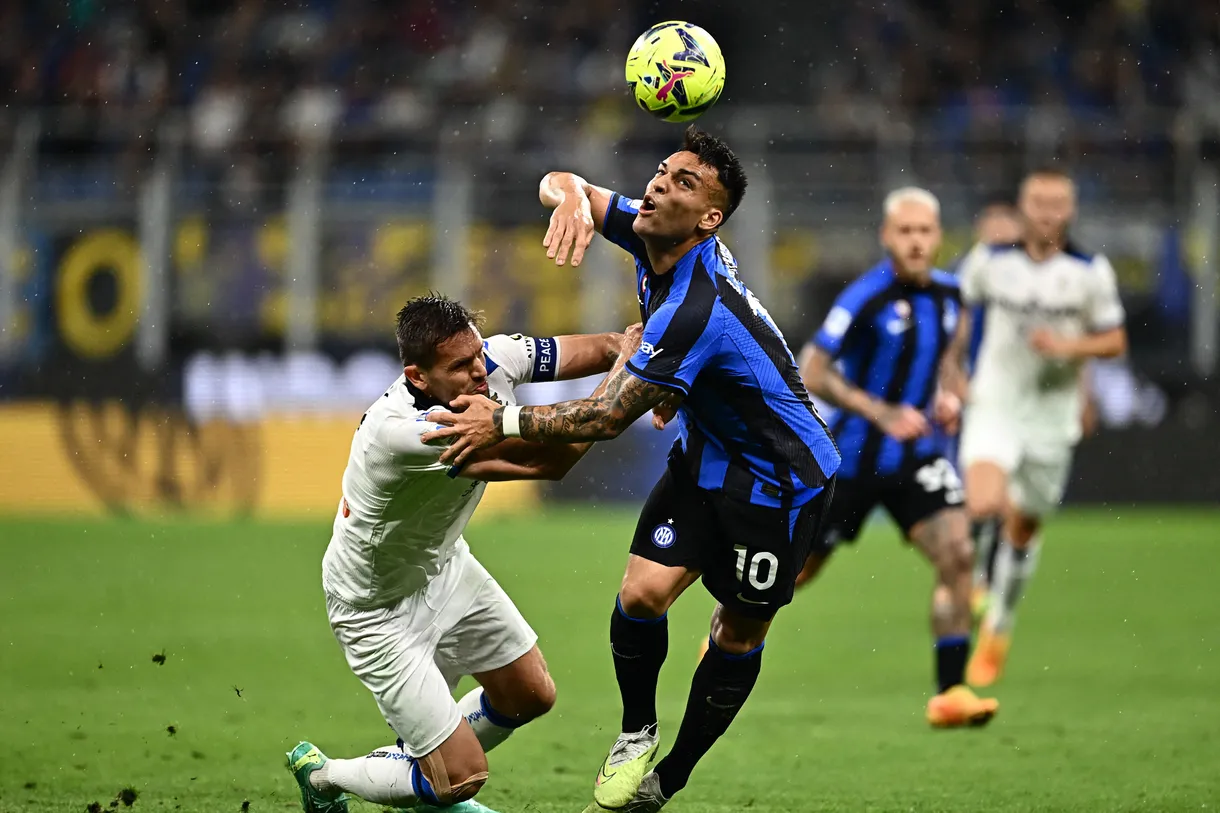
Yellow card suspensions in Serie A
In Serie A, the disciplinary framework for yellow cards and suspensions is overseen by the Italian Football Federation (FIGC) and aligns with broader FIFA and UEFA guidelines, though it has its own specific thresholds and nuances. The system is designed to penalize persistent offenders while allowing for a degree of flexibility in a league known for its physical and strategic play. Unlike England’s EFL League One, which has tiered cutoffs based on match counts, Serie A’s yellow card suspension rules are simpler but escalate progressively to deter repeat offenses.
The key rule in Serie A is as follows:
5 yellow cards: A player who accumulates five yellow cards in Serie A matches over the course of the season receives an automatic one-match ban.
Subsequent thresholds: After the initial five-card suspension, the threshold adjusts. A player faces another one-match ban after every additional five yellow cards (i.e., 10, 15, 20, etc.), but this shifts to a tighter sequence later in the season—four, three, two, and eventually one yellow card—depending on the total accrued.
This structure was notably adjusted in the 2015-16 season, when the FIGC increased the initial suspension threshold from four to five yellow cards, aiming to reduce the frequency of bans for minor, cumulative offenses while still cracking down on habitual offenders.
Breakdown of the rules
1. Five yellow cards
Application: The first suspension occurs after a player receives their fifth yellow card in Serie A matches during the season. Unlike some leagues with mid-season reset points, Serie A’s count is cumulative across the entire 38-game campaign unless reset by specific competition rules (e.g., playoffs).
Scope: Only yellow cards from Serie A league matches count toward this total. Bookings from other competitions, such as the Coppa Italia, UEFA Champions League, or international matches, are tracked separately and do not contribute to Serie A suspensions.
Suspension: The one-match ban is served in the next Serie A fixture following the fifth caution. This is automatic and cannot be appealed unless the yellow card itself is overturned due to a clear refereeing error (a rare occurrence).
Reset after serving: Once the ban is served, the player’s yellow card count does not reset to zero. Instead, it remains at five, and the next suspension threshold becomes 10 yellow cards.
2. Ten yellow cards and beyond
Subsequent bans: After the initial five-card ban, a player faces another one-match suspension upon reaching 10 yellow cards. This pattern continues with additional bans at 15, 20, and so on, provided the cards are accumulated within the Serie A season.
Escalation clause: After the first few bans (typically after 10 or 15 cards), the FIGC introduced a sliding scale to further discipline repeat offenders. Beyond a certain point (often around 15 cards, though this can vary by season based on disciplinary reviews), suspensions may trigger after fewer cards—e.g., every four, then three, then two, and eventually every single yellow card. This escalation is intended to curb excessive fouling by players who persistently push the boundaries of fair play.
Scope consistency: As with the initial threshold, only Serie A yellow cards count toward these subsequent totals.
3. Two yellow cards in one match
Immediate consequence: If a player receives two yellow cards in the same Serie A match, they are shown a red card and sent off. This results in an automatic one-match ban for the next Serie A game, regardless of their cumulative yellow card total.
Exclusion from count: Crucially, the two yellow cards leading to a red card in a single match do not add to the player’s cumulative total for the 5, 10, or 15-card thresholds. For example, a player with four yellow cards entering a match who receives two in that game will serve a one-match ban for the red card but return with a count of four toward the next suspension threshold.
4. Additional disciplinary measures
Direct red cards: A straight red card (not resulting from two yellows) typically carries a one-match ban, but the FIGC’s Disciplinary Committee can extend this to two or more matches for serious offenses like violent conduct or abusive language. These bans are separate from yellow card accumulation rules.
Misconduct reviews: Players amassing an unusually high number of yellow cards (e.g., 20 or more) may face additional scrutiny from the FIGC, potentially leading to fines or extended bans, though this is assessed case-by-case.
Application across the season
Serie A’s 38-game season means yellow card accumulation is a constant concern for players and managers. Unlike the Premier League or EFL, which have cutoff points (e.g., after 19 or 32 games) to reset lower thresholds, Serie A’s system runs continuously, making early-season discipline critical. For example:
A player booked five times by Matchday 10 will miss Matchday 11.
If they reach 10 cards by Matchday 25, they miss Matchday 26.
The lack of resets amplifies the stakes, particularly for players in physically demanding roles like midfield enforcers or defenders.
The bans are competition-specific, meaning a suspension earned in Serie A applies only to the next league match, not Coppa Italia or European fixtures. However, red card bans (especially for serious offenses) can sometimes extend across competitions, depending on the FIGC’s ruling.
Implications for players and teams
The yellow card suspension system in Serie A has profound effects on gameplay, strategy, and team management:
Player behavior: Players must tread carefully, especially those prone to tactical fouls or dissent. Midfielders like Nicolò Barella (Inter) or defenders like Leonardo Bonucci (in his prime) often flirt with suspension thresholds due to their combative styles.
Team dynamics: Losing a key player to a one-match ban can disrupt a team’s rhythm, particularly in a tightly contested title race or relegation battle. Managers may rotate players nearing suspension to avoid absences in critical fixtures.
Tactical adjustments: Teams with disciplined squads gain an edge, as they’re less likely to face absences. Conversely, sides with aggressive pressing styles (e.g., Atalanta under Gian Piero Gasperini) may rack up cards, necessitating deeper benches.
Comparison to other leagues
Serie A’s system differs from other major European leagues:
Premier League: Five yellow cards before the 19th game trigger a one-match ban, 10 before the 32nd earn two matches, and 15 across the season result in three. The mid-season cutoffs offer a reset not present in Serie A.
La Liga: A player is banned for one match after five yellow cards, with the count resetting to zero after the ban is served—a more forgiving approach than Serie A’s continuous tally.
UEFA Champions League: Three yellow cards lead to a one-match ban, with subsequent bans at five, seven, etc., and a reset after the quarter-finals. This contrasts with Serie A’s season-long accumulation.
Serie A’s progressive escalation (from five to fewer cards per ban) is unique, reflecting a balance between leniency for initial offenses and severity for persistent misconduct.
Historical context and evolution
The yellow card system, introduced globally at the 1970 World Cup, was adopted by Serie A in subsequent years. The shift from a four-card to a five-card threshold in 2015-16 was a significant evolution, responding to criticism that the previous rule led to too many suspensions early in the season. This adjustment aligned Serie A more closely with leagues like the Premier League while retaining its distinct escalation for repeat offenders.
Historically, Serie A has been home to some of football’s most cautioned players. Sergio Ramos, while more famous for his Real Madrid tenure, exemplifies the type of player who’d test Serie A’s limits—his record of 259 yellow cards across all competitions dwarfs most Italian league veterans. Within Serie A, players like Daniele De Rossi and Paolo Montero were notorious for their disciplinary records, often flirting with suspension thresholds.